Everything You Need to Know About Dental Bridges
Dental issues can significantly impact your quality of life, affecting everything from your appearance to your ability to enjoy favourite foods. Among the array of options available for restoring missing teeth, dental bridges stand out as an effective solution. This blog aims to demystify dental bridges, offering insights into their types, benefits, and how they compare to other tooth replacement methods.
What Are Dental Bridges?
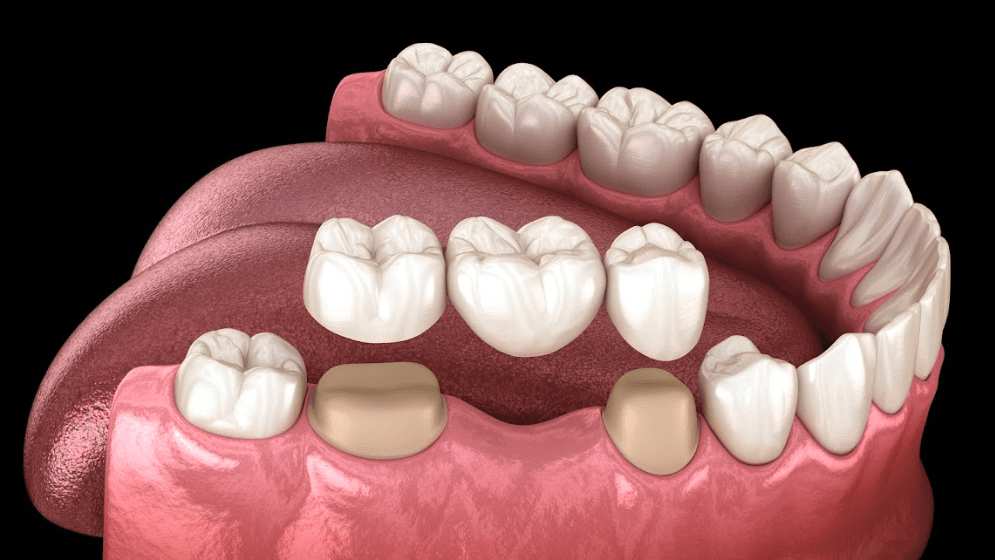
Dental bridges serve as a reliable method to replace one or more missing teeth. Essentially, a bridge fills the gap created by missing teeth using one or more artificial teeth, known as pontics, which are anchored in place by crowns on the adjacent natural teeth or implants. This procedure not only restores your smile but also supports oral health by preventing other teeth from shifting out of place.
To explore options for dental bridges, search “dental bridges Hampshire” on Google for trusted dental clinics in the area that offer this service.
Types of Dental Bridges
There are several types of dental bridges, each suited to different dental conditions and needs:
Traditional Bridges are the most commonly used. They involve creating a crown for the tooth or implant on either side of the gap, with a false tooth or teeth in between.
Cantilever Bridges are used when there are adjacent teeth on only one side of the missing tooth or teeth. However, they are less common today as they can place too much force on the other teeth, leading to damage.
Maryland Bridges are considered a conservative alternative. They use a metal or porcelain framework bonded onto the back of the adjacent teeth. This type avoids the need for crowns.
Implant-Supported Bridges offer stability by anchoring the bridge with dental implants rather than crowns. They are a preferred choice for individuals with several missing teeth.
The Process of Getting a Dental Bridge
The procedure typically begins with a detailed consultation to determine the best type of bridge for your situation. Preparation involves reshaping the adjacent teeth to support the crowns that will hold the bridge in place. Impressions of the teeth are made to fabricate the bridge, pontic, and crowns. A temporary bridge may be placed to protect the exposed teeth and gums. Once ready, the dental bridge is fitted and adjusted to ensure comfort and proper bite. Follow-up appointments may be necessary to evaluate the fit and function of the bridge.
Benefits of Dental Bridges
Dental bridges offer numerous advantages, including improved aesthetics, which boosts self-confidence. They also aid in restoring proper speech, which can be affected by missing teeth. Another significant benefit is the restoration of chewing abilities, allowing for a varied diet without discomfort. Furthermore, bridges can maintain facial shape and prevent remaining teeth from drifting out of position.
Dental Bridges vs Other Tooth Replacement Options
While dental bridges are effective, they are not the only option available. Dental implants are popular and involve placing a metal post in the jawbone to anchor a replacement tooth. Implants do not affect neighboring teeth and can last a lifetime, but they require surgery and a longer healing time. Dentures, which are removable, offer a less permanent solution and may not be as comfortable or natural-looking as bridges or implants. The choice between these options depends on various factors, including oral health, budget, and personal preference.
Aftercare and Maintenance
Proper care of dental bridges is crucial for their longevity. Regular dental check-ups are vital to monitor the condition of your bridge and surrounding teeth. Brushing twice a day and flossing daily will help maintain oral hygiene. Using an antibacterial mouthwash can reduce plaque build-up. Additionally, eating a balanced diet and avoiding overly hard or sticky foods can prevent damage to your bridge.
In conclusion, dental bridges are a viable option for restoring missing teeth, offering both functional and aesthetic benefits. For those considering this treatment, consulting with a dental professional can provide personalized advice and help determine the best solution for your needs.