An Essential Guide to Business Relocation Services

Relocating your business can be an exciting milestone, signifying growth, new opportunities, and a fresh start. However, it also comes with its fair share of challenges. This guide will provide you with valuable insights to make your business move as seamless as possible, whether you run a small business, a growing startup, or a large corporate enterprise.

Planning Ahead for a Smooth Transition

The key to a successful business relocation lies in meticulous planning. Start by creating a detailed timeline outlining every step of the move, from initial preparation to the final setup at the new location. Assigning specific tasks to team members can help keep everyone accountable and on track. Early planning helps avoid last-minute surprises and ensures that all aspects of the move are covered.

Choosing the Right Relocation Service Provider

Selecting a relocation services provider that suits your business size is crucial. Small businesses and startups may benefit from local moving companies with experience in office relocations, while larger enterprises might need providers with resources to handle complex and sizable moves. Research potential providers, check their credentials, and read client reviews to make an informed decision.

Cost and Budgeting for Relocation

Understanding the costs involved in relocation is essential for effective budgeting. Expenses can include transportation, packing materials, insurance, and potential downtime. Obtain quotes from multiple service providers and include a contingency fund for unexpected costs. A well-structured budget helps prevent financial strain during the move.

Tips for Minimising Downtime

Minimising downtime is critical to maintaining productivity during the transition. Consider relocating during off-peak business hours or weekends to reduce disruption. Communicate with clients and stakeholders about your move in advance, and set up temporary workstations if necessary. Efficient coordination can keep your business running smoothly throughout the process.

Leveraging Technology in the Relocation Process

Modern technology offers various tools to simplify business relocations. Inventory management software can help track assets, while project management tools allow you to monitor progress and manage tasks effectively. Virtual collaboration platforms ensure continuous communication among team members, even if they are working remotely during the move.

Common Challenges and Solutions

Business relocations often present unexpected challenges. Miscommunication, equipment damage, and logistical issues can arise. To tackle these, maintain clear and open lines of communication with your relocation service provider and team members. Ensure that all equipment is packed securely and labelled correctly to avoid loss or damage.

Real-Life Examples of Successful Relocations

Learning from real-life examples can provide valuable insights into the relocation process. Consider the case of a tech startup that moved to a larger office space to accommodate its growing team. By planning meticulously, choosing the right service provider, and leveraging technology, the startup managed to minimise downtime and boost employee morale.

Impact on Productivity and Employee Morale

A well-executed relocation can positively impact productivity and employee morale. A new, well-designed workspace can rejuvenate your team’s spirits and create a more efficient work environment. Involve your employees in the relocation process by seeking their input on workspace design and addressing any concerns they may have.

Aftercare and Settling In

Once the move is complete, focus on settling into the new workspace. Conduct a thorough inspection to ensure everything is in place and functioning correctly. Host an orientation session to familiarise employees with the new layout and facilities. Address any issues promptly to prevent disruptions and help your team adapt smoothly.

In conclusion, business relocation requires careful planning, the right service provider, and effective use of technology. By anticipating challenges and involving your team, you can make the transition as smooth as possible.

The History and Significance of the Nile River

For millennia, the Nile River has been a lifeline for civilizations along its banks, most notably ancient Egypt. Its waters have nurtured agriculture, facilitated transportation, and spurred trade, making it an essential feature in the development of cultures and economies. This post explores key historical events that have shaped the history of the Nile, its cultural significance, and how it continues to impact lives today.

The Cradle of Ancient Egyptian Civilization

The Nile’s significance in ancient Egypt cannot be overstated. The river’s annual flooding deposited nutrient-rich silt onto the land, creating fertile grounds for agriculture. This natural phenomenon transformed the region into one of the most advanced agricultural societies of its time. The Egyptians developed an intricate calendar to predict the floods, which in turn structured their farming cycles and societal events.

The Nile was also crucial for transportation and trade. Boats sailing on its waters transported goods and facilitated communication between Upper and Lower Egypt, fostering economic growth and cultural exchange. It was along these banks that some of the world’s earliest urban centers and monumental architecture, like the pyramids, emerged.

A Nile cruise tour offers an enchanting journey through Egypt, allowing travelers to explore ancient temples, vibrant local markets, and picturesque landscapes while enjoying luxurious accommodations on the river.

The Impact of the Aswan High Dam

Fast forward to the 20th century, and the construction of the Aswan High Dam marked a significant turning point in modern Egypt. Completed in 1970, the dam sought to control the Nile’s flooding, provide hydroelectric power, and increase water availability for agriculture. While it achieved these goals, it also brought challenges, such as the displacement of communities and changes in sediment deposits affecting soil fertility downstream. The dam stands as a testament to human engineering, balancing both benefits and drawbacks.

The Age of Exploration

The 19th century ushered in a period of exploration that saw European adventurers navigating the Nile in search of its source. Explorers like Richard Burton, John Hanning Speke, and David Livingstone undertook perilous journeys that expanded Western knowledge of the river and its tributaries. Their expeditions were instrumental in mapping the Nile, although often at a high cost to both the explorers and the indigenous populations they encountered.

The Battle of the Nile

In 1798, the Nile was the stage for a crucial naval conflict during the French Revolutionary Wars. Known as the Battle of the Nile, this engagement saw the British Royal Navy, under Admiral Horatio Nelson, destroy the French fleet. This victory not only disrupted Napoleon Bonaparte’s ambitions in the Middle East but also shifted the balance of power in Europe, marking a turning point in the Napoleonic Wars.

The Nile River Agreement of 1959

Water rights have long been a contentious issue among the countries sharing the Nile’s waters. The Nile River Agreement of 1959 between Egypt and Sudan aimed to distribute these waters equitably. This agreement has had lasting implications for regional politics, economics, and relations, underscoring the river’s continued importance in modern geopolitics.

Cultural Significance of the Nile

Beyond its historical and political impact, the Nile remains deeply ingrained in the cultural fabric of the regions it traverses. In ancient Egypt, the river was revered as a divine entity, central to religious practices and festivals celebrating its life-giving properties. This cultural reverence has persisted through the centuries, influencing modern traditions and daily life.

The Nile has also been a conduit for commerce and cultural exchange. Its waters have carried goods, ideas, and people, fostering a sense of community among those living along its banks. Today, the river still supports fishing, farming, and transport, maintaining its role as an economic backbone for millions.

Conclusion

The Nile River is more than just a geographical feature; it is a testament to the enduring interplay between nature and human civilization. From ancient agricultural practices to modern engineering feats, the river has shaped, and continues to shape, the lives and cultures of those who depend on it.

Christmas Wreath-Making for Team Building

The holiday season is a prime opportunity for corporate teams to engage in activities that promote camaraderie and creativity. One such activity that has gained popularity is Christmas wreath making. This hands-on project not only brings festive cheer but also offers substantial benefits for team building.

Wreath-making encourages collaboration as team members work together to design and assemble their creations, fostering communication and problem-solving skills. Additionally, the creative nature of the task allows individuals to express their unique ideas and perspectives, which can enhance overall team creativity.

In this blog, we’ll explore how your team can benefit from wreath-making, from boosting morale to improving teamwork, and provide a step-by-step guide to getting started, including materials needed and design tips. By the end, your team will not only have beautiful wreaths to display but also a stronger sense of unity and accomplishment.

Why Wreath-Making is Perfect for Team Building

Fosters Creativity and Teamwork

Wreath-making allows team members to tap into their creative sides. By working together to design and construct their own wreaths using various materials like ribbons, pinecones, and seasonal greenery, employees can share ideas, offer suggestions, and collaborate on a collective vision. This creative process fosters teamwork and encourages everyone to contribute, regardless of their role in the company. Additionally, the hands-on nature of wreath-making provides a relaxing and enjoyable break from typical work activities, helping to reduce stress and increase overall job satisfaction. The finished wreaths can also serve as a tangible reminder of the team’s collaborative effort and creativity, boosting morale and a sense of accomplishment.

Encourages Communication and Bonding

In a relaxed setting, like a wreath-making workshop, communication flows more naturally. Team members can engage in casual conversations, build rapport, and strengthen their personal connections. These interactions create an environment where individuals feel more comfortable sharing ideas and feedback. The bonds formed during such activities can translate into better communication and cooperation back in the workplace, fostering a more cohesive and productive team dynamic. Additionally, the shared experience of creating something together can enhance team morale and provide a sense of accomplishment that can carry over into professional tasks.

Demonstrates the Value of Collaboration

The process of creating a wreath from scratch requires input and effort from all participants. By seeing the tangible results of their collaboration, team members can better appreciate the importance of working together towards a shared goal. This experience can enhance their understanding of teamwork and its impact on achieving success.

Provides an Engaging Activity for All Skill Levels

Wreath-making is an inclusive activity that can be enjoyed by everyone, regardless of their artistic abilities. With a variety of materials and techniques available, each team member can contribute in their own way. This inclusivity ensures that everyone feels valued and part of the team-building experience.

Creates a Sense of Community

Once completed, the handmade wreaths can be displayed in the workspace, serving as a festive and creative reminder of the team’s collaborative effort. This collective project can build a sense of community and pride among team members, reinforcing their connection to the organisation.

To host a successful wreath-making workshop, follow these steps: gather necessary materials like wreath bases, greenery, and decorations; set up a spacious and organized workspace; provide a demonstration on basic wreath construction; facilitate the activity by offering guidance and encouraging creativity; and finally, showcase the finished wreaths, celebrating the team’s work with photos and displays.

Conclusion

Christmas wreath-making is more than just a festive activity; it is an effective tool for team building that offers numerous benefits. By fostering creativity, encouraging communication, and demonstrating the value of collaboration, wreath-making can strengthen your team’s bonds and create a sense of community within the workplace.

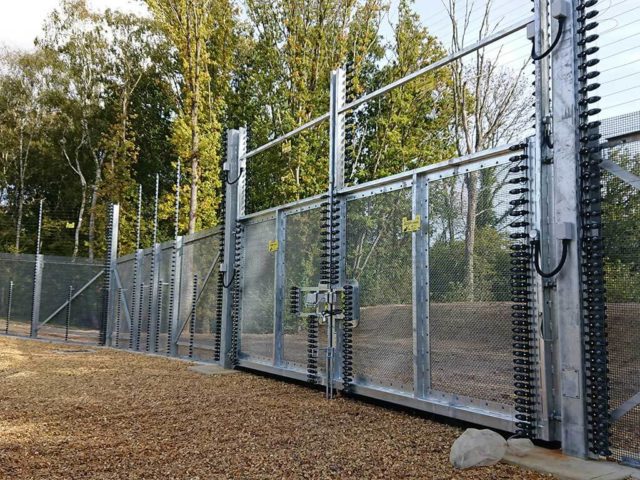
Why Invest in High-Quality Security Fencing?

When it comes to protecting your property, the importance of high-quality security fencing cannot be overstated. For property owners, business managers, and security professionals, investing in robust security measures is a critical step towards safeguarding assets and ensuring peace of mind.

High-quality security fencing acts as a deterrent to potential intruders, significantly reducing the risk of unauthorized access and theft. It also helps to clearly define property boundaries, providing a sense of order and control. Additionally, modern security fencing solutions can be integrated with advanced technologies such as surveillance cameras and motion sensors, further enhancing the security of your premises. By prioritizing the implementation of these protective measures, you are taking a proactive approach to asset protection and creating a safer environment for everyone involved.

Deterring Unauthorized Access

One of the primary benefits of security fencing is its ability to deter unwanted intruders. A well-constructed fence acts as a formidable barrier, preventing unauthorized individuals from gaining access to your property. This visible deterrent is often enough to dissuade potential trespassers, thereby reducing the risk of theft, vandalism, and other criminal activities.

For more information on enhancing your property’s security, search for “security fencing UK” on Google.

Enhancing Safety and Security

Security fencing not only keeps out intruders but also enhances the overall safety of your premises. Whether it’s a residential area or a commercial property, having a solid fence provides an added layer of protection. This is particularly vital for businesses that house valuable assets or sensitive information. By investing in quality fencing, you create a secure environment that protects both people and property.

Defining Property Boundaries

Another significant advantage of security fencing is its role in clearly defining property boundaries. A visible and physical boundary helps to establish where private property begins and ends, which is essential for avoiding disputes and misunderstandings with neighbours or passersby. This clarity is beneficial for property owners who want to maintain control over their land.

Peace of Mind

Knowing that your property is well-protected offers immense peace of mind. For property owners and occupants, the assurance that comes with having a secure perimeter cannot be underestimated. This sense of security allows you to focus on your daily activities without constantly worrying about potential breaches or security threats.

Investing in robust security systems, such as surveillance cameras, alarm systems, and secure locks, adds an extra layer of protection. Additionally, having a reliable security service or neighborhood watch in place can further deter potential intruders. The combination of these measures not only safeguards your property but also enhances the overall safety of the community. In the long run, this investment in security contributes to a more relaxed and stress-free lifestyle for everyone involved.

Lower Insurance Premiums

Investing in high-quality security fencing can also have financial benefits. Many insurance companies recognise the value of robust security measures and may offer lower premiums to properties that are well-protected. By demonstrating a commitment to security, you may qualify for discounts on your insurance policies, leading to long-term savings.

Increasing Property Value

Security features are often attractive to potential buyers, making properties with high-quality fencing more valuable. A secure property is likely to appeal to prospective buyers who prioritise safety and security. This can make your property stand out in the market, potentially increasing its resale value.

Conclusion

In a world where security concerns are on the rise, investing in high-quality security fencing is a prudent decision for property owners, business managers, and security professionals alike. The benefits of deterring unauthorized access, enhancing safety, defining property boundaries, and offering peace of mind are clear. Additionally, the potential financial advantages, such as lower insurance premiums and increased property value, further underscore the importance of this investment.

By choosing a reliable security fencing solution, you take a proactive step towards protecting your property and ensuring the safety of all who occupy it. If you’re considering enhancing your security measures, now is the time to explore the options available and make an investment that will pay dividends for years to come.

Understanding the Role of Solicitors in Settlement Agreements

Settlement agreements are vital tools used by both employees and employers to amicably resolve disputes or end employment relationships. These legally binding documents often contain terms related to compensation, confidentiality, and post-employment restrictions. Given their importance, solicitors play a critical role in advising and negotiating these agreements.

What is a Settlement Agreement?

A settlement agreement, previously known as a compromise agreement, is a legally binding contract used to settle disputes between an employer and an employee. It typically involves the employee agreeing to waive certain rights, such as the right to bring a claim to an employment tribunal, in exchange for a financial settlement. For both parties, these agreements can provide a clean break, avoiding the stress and uncertainty of legal proceedings.

The Role of Solicitors

Solicitors are indispensable in the settlement agreement process. They provide expert advice on the terms and implications of the agreement. Their primary role is to ensure that their client’s rights are protected and that the terms of the agreement are fair. For employees, this means understanding what they are giving up and what they are receiving in return. For employers, it involves ensuring that the agreement adequately protects their interests and complies with legal standards.

Importance of Independent Legal Advice

One of the key legal requirements of a settlement agreement is that the employee must receive independent legal advice for the agreement to be valid. This advice must come from a qualified solicitor, who will confirm that the employee understands the terms and their effect. This step is crucial as it ensures that the employee is fully aware of their rights and the consequences of signing the agreement.

Employers also benefit from seeking legal advice. While it is not a legal requirement for the employer to obtain advice, doing so can help avoid potential pitfalls and legal challenges. Solicitors can advise on the appropriate compensation and whether the terms proposed are reasonable and enforceable.

Ensuring Fairness and Legality

Solicitors help ensure that settlement agreements are fair and legally binding. They review the terms to make sure they comply with employment laws and advise on any necessary modifications. This includes checking for any clauses that might be deemed unfair or unenforceable and ensuring that all legal requirements are met.

Cost Considerations

The cost of obtaining legal advice on a settlement agreement can vary. Typically, employers offer a contribution towards the employee’s legal fees, which is stipulated within the agreement. This is a common practice and helps facilitate the process. However, both parties should be aware of any additional costs that might arise, particularly if negotiations become complex.

Avoiding Common Pitfalls

Without proper legal guidance, both employees and employers can fall into common traps when negotiating settlement agreements. Employees might unknowingly waive significant rights or accept terms that are not in their best interest. Employers, on the other hand, might draft agreements that are not legally enforceable, leading to potential legal disputes. Solicitors provide the necessary expertise to avoid these pitfalls, ensuring that the agreement serves the best interests of their clients and stands up to legal scrutiny.

Engaging a Solicitor

The process of engaging a solicitor for a settlement agreement is straightforward. Employees can approach their current legal advisors or seek recommendations from trusted sources. Many solicitors specialise in employment law and can provide the necessary advice and support. Employers typically have existing relationships with legal firms that can assist with drafting and reviewing settlement agreements.

In conclusion, settlement agreements are essential tools for resolving employment disputes and ending employment relationships on amicable terms. Solicitors play a pivotal role in this process, providing the expertise needed to draft, review, and negotiate these agreements. Their involvement ensures that the terms are fair, legally binding, and in compliance with employment law. Both employees and employers benefit from seeking independent legal advice, which helps avoid common pitfalls and ensures that their rights and interests are adequately protected.

If you’re facing a settlement agreement, don’t hesitate to consult with a solicitor to guide you through the process and safeguard your interests.

The Best Type of Window for Your Home

Choosing the right type of window for your home is an important decision. Not only does it impact the aesthetics of your home, but it also plays a crucial role in energy efficiency, ventilation, and safety. Whether you are a homeowner looking to replace old windows, a renovator working on a project, or someone seeking ways to improve energy efficiency, this guide will provide you with valuable insights to help you make an informed decision.

Understanding Climate Considerations

The climate you live in significantly affects which window type is best for your home. Here’s how different climates influence your choice:

Cold Climates

In colder regions, insulation is key. Windows with a low U-factor are essential as they provide better insulation, preventing heat loss and keeping your home warm. Double or triple glazing can be particularly beneficial, as these windows contain multiple layers of glass with insulating gas in between. Additionally, look for windows with argon or krypton gas fills, which offer superior thermal performance.

Warm Climates

For those living in warmer climates, the focus shifts to reducing heat gain. Windows with a high Solar Heat Gain Coefficient (SHGC) are ideal, as they minimise the amount of heat entering your home. Low-E (low-emissivity) coatings are also beneficial because they reflect heat away while allowing natural light to pass through. This reduces the need for artificial cooling and helps maintain a comfortable indoor temperature.

Coastal Areas

Homes in coastal areas face unique challenges, including high winds and flying debris during storms. Impact-resistant windows are a must in these regions. These windows are designed to withstand extreme conditions and provide enhanced security. They often feature laminated glass, which consists of a polyvinyl butyral (PVB) interlayer that holds the glass together even if it breaks.

Ventilation Needs

Good ventilation is crucial for maintaining indoor air quality and comfort. In areas with mild climates, casement windows are an excellent choice as they open fully, allowing maximum airflow. Sliding windows are another option, offering ease of use and good ventilation without taking up extra space.

Exploring Different Window Types

Understanding the various window types available can help you make informed decisions for your home. For more information, search for “windows in Surrey” on Google.

Casement Windows

Casement windows are hinged at the sides and open outward like a door. They are known for their excellent ventilation capabilities and tight seal when closed, which enhances energy efficiency. Casement windows are ideal for climates where you want to maximise airflow and enjoy unobstructed views.

Double-Hung Windows

Double-hung windows feature two movable sashes that slide up and down. This design allows for versatile ventilation options, as you can open both the top and bottom halves. These windows are a popular choice for traditional-style homes and are easy to clean, as many models allow the sashes to tilt inward.

Sliding Windows

Sliding windows are composed of two sashes, one fixed and one movable, that slide horizontally. They are perfect for spaces where you don’t want a window protruding outward. Sliding windows offer good ventilation and are easy to operate, making them a practical choice for modern homes.

Bay and Bow Windows

Bay and bow windows extend outward from the main walls of the house, creating additional space inside. They are great for adding architectural interest and providing panoramic views. These windows often consist of a combination of fixed and operable units, offering both aesthetic appeal and functionality.

Picture Windows

Picture windows are large, fixed windows that do not open. They are designed to frame outdoor views and allow maximum natural light into the home. While they do not provide ventilation, picture windows can be paired with operable windows to achieve a balance of light and airflow.

Conclusion

Choosing the best type of window for your home depends on several factors, including climate, ventilation needs, and personal preferences. By understanding the unique requirements of your environment and the benefits of different window types, you can make a choice that enhances both the comfort and efficiency of your home.

The Essential Role of Acoustic Consultants in Modern Construction

Acoustic consultants are crucial in the construction and design industry, playing a pivotal role in shaping environments that are both functional and comfortable. Their expertise goes beyond simple noise control, integrating sophisticated sound solutions into building designs that enhance usability and satisfaction. These professionals assess the acoustical properties of spaces, considering factors such as sound insulation, vibration control, and ambient noise levels. By collaborating closely with architects, engineers, and designers, they ensure that every aspect of the auditory experience is optimized, creating spaces that not only meet regulatory standards but also provide acoustic comfort for occupants. Whether it’s a concert hall, office building, or residential complex, the work of acoustic consultants contributes significantly to the overall quality and effectiveness of the built environment.

The Importance of Acoustic Design

Creating spaces that are acoustically balanced is vital for comfort and functionality. Poor acoustic design can lead to environments that are noisy and distracting, impacting productivity and well-being. Whether it’s an office, a residential building, or a public space, sound quality influences how spaces are experienced and used. For professional advice and solutions, consider searching for “acoustic consultants near me” on Google.

Collaboration with Architects and Engineers

Acoustic consultants work closely with architects and engineers, contributing their expertise from the initial design stages through to project completion. By collaborating early in the process, they help integrate sound solutions seamlessly into the overall design. This partnership ensures that acoustics are considered alongside other critical building elements, leading to a cohesive and effective result.

Real-World Impact of Good Acoustic Design

Consider a modern office building designed with acoustic principles in mind. Employees find it easier to concentrate and communicate, leading to increased efficiency and job satisfaction. In a residential context, good acoustic design translates to quieter homes where residents can relax and unwind without intrusive noise.

In one notable case study, a school that implemented advanced acoustic solutions saw a marked improvement in student concentration and teacher satisfaction. These examples illustrate how thoughtful acoustic design can significantly enhance the functionality and user experience of a building.

Common Misconceptions about Acoustic Consultants

One common misconception is that acoustic consultants only deal with noise reduction. While noise control is a significant aspect of their work, their role encompasses much more, including sound insulation, room acoustics, and vibration control. They bring a comprehensive approach to achieving optimal sound environments, addressing various factors that contribute to acoustic performance.

Another misunderstanding is the belief that acoustic consultancy services are only necessary for large, complex projects. In reality, any project can benefit from their expertise. From small office renovations to large-scale developments, acoustic consultants provide value by improving sound quality and user comfort.

Emerging Trends and Technologies

The field of acoustic consultancy is continually evolving, driven by advancements in technology and changing needs. One emerging trend is the use of advanced simulation tools that allow consultants to model and predict acoustic outcomes with high accuracy. This technology enables more precise planning and implementation of acoustic solutions, reducing the need for costly adjustments during construction.

Additionally, there is a growing emphasis on sustainable and eco-friendly acoustic materials. These materials not only meet acoustic requirements but also contribute to the overall sustainability of a building. The integration of such materials is becoming a standard practice in modern acoustic design.

Conclusion

Acoustic consultants are indispensable allies in the quest to create spaces that are not only functional but also enjoyable to inhabit. Their expertise ensures that buildings perform well acoustically, enhancing the quality of life for occupants. If you’re involved in a construction or renovation project, consider collaborating with acoustic consultants to achieve the best possible outcomes.

Unpacking the Benefits of a Travel Commerce Platform

Travelling, whether for leisure or business, often involves juggling multiple bookings, dealing with payment concerns, and staying updated with the latest travel advisories. Enter the travel commerce platform—a comprehensive solution designed to simplify and enhance the travel experience for frequent travellers, adventure enthusiasts, and global explorers.

Comprehensive Search Functionality

One of the standout features of a travel commerce platform is its powerful search capability. Users can effortlessly find the best deals on flights, hotels, and activities worldwide. Instead of hopping from one website to another, the platform aggregates options in one place, saving users both time and money. This not only streamlines the booking process but also ensures that travellers get the most value for their spend.

Customisable Trip Planning Tools

Another significant advantage is the ability to customise trip planning. These tools enable users to create personalised itineraries with ease. Whether you’re planning a relaxed beach holiday or an adrenaline-fuelled adventure, the platform caters to individual travel preferences. It offers the flexibility to add, remove, or modify elements of your trip, ensuring that every detail aligns with your vision.

Secure Payment Gateway

Security is paramount when booking travel arrangements online. The platform’s secure payment gateway protects user data and transactions, offering peace of mind. Travellers can book with confidence, knowing that their sensitive information is safeguarded against potential threats. This feature not only enhances trust but also adds a layer of convenience, as users can complete multiple bookings using a single secure transaction.

Real-Time Updates

Staying informed during travel is crucial. The platform provides real-time updates on travel alerts, weather conditions, and local events. This feature helps travellers make informed decisions, whether it’s altering travel plans due to sudden weather changes or discovering a local festival happening during their stay. Real-time information empowers users to adapt and enjoy a more seamless travel experience.

Loyalty Program

Frequent travellers can reap significant benefits from the platform’s loyalty program. By booking through the platform, users earn rewards that encourage repeat business. These rewards can be redeemed for discounts, upgrades, or exclusive deals, adding extra value to the overall travel experience. It’s a simple yet effective way to cultivate a sense of loyalty and appreciation among users.

Multi-Language Support

Catering to a global audience, the platform offers multi-language support. This feature ensures that users from different linguistic backgrounds can comfortably navigate the platform and make bookings. It breaks down language barriers, making the platform accessible to a wider audience and enhancing the user experience for international travellers.

Mobile App Availability

In today’s fast-paced world, on-the-go access is indispensable. The platform’s mobile app extends its full range of features to users’ smartphones, allowing them to book and manage travel arrangements from anywhere. Whether you’re waiting for a flight or exploring a new city, the app ensures that your travel planning tools are always at your fingertips.

Conclusion

The benefits of using a travel commerce platform are manifold. From finding the best deals and creating personalised itineraries to ensuring secure transactions and staying informed with real-time updates, the platform simplifies and enhances the travel experience. Add to this the advantages of a rewarding loyalty program, multi-language support, and mobile app availability, and it’s clear why such platforms are invaluable for modern travellers.

For those eager to streamline their travel planning and enjoy a more enriched travel experience, exploring the features and benefits of a travel commerce platform is a worthwhile step. By leveraging these tools, travellers can focus on what truly matters—creating memorable experiences and exploring the world.