French health authorities have confirmed the first human case of the Shamonda virus, an insect-borne disease previously found only in livestock. The patient, who had a compromised immune system and a serious underlying condition, died in early October.
The case was jointly announced by the French Ministry of Health, the Ministry of Agriculture, and Inserm, France’s national health and medical research institute. The patient was treated at the Hospices Civils de Lyon.
How Did the Infection Occur?
Investigators believe the patient was infected through the bite of a Culicoides midge, a small insect that serves as the primary vector for the Shamonda virus. The patient had been in eastern France, where the virus had been circulating in animals since spring 2026.
Until this case, the Shamonda virus was not known to infect humans. It has been detected in livestock across Africa, Asia, and Europe since summer 2026, but no human cases had been reported.
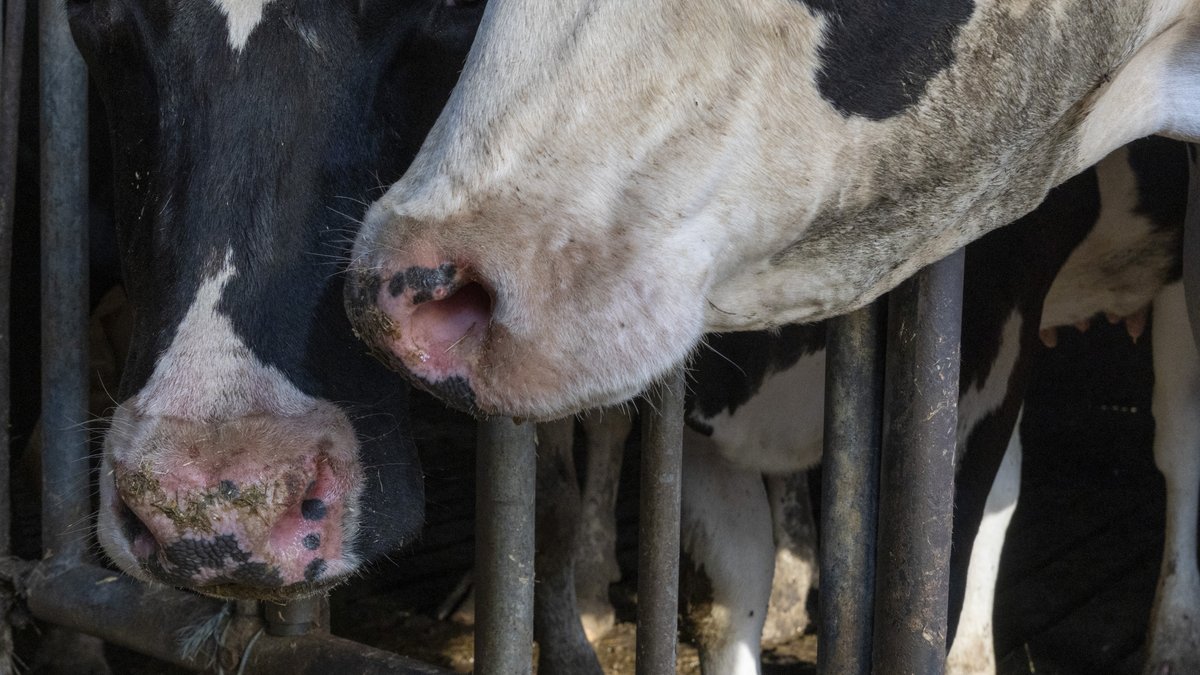
The virus primarily affects cattle, causing symptoms like fever, diarrhea, and reduced milk production. It can also lead to miscarriages and birth defects in pregnant animals.
Shamonda Virus Origins and Transmission
The Shamonda virus, an Orthobunyavirus in the Simbu serogroup, was first identified in Nigeria in the 1960s. It is related to the Schmallenberg virus, which affected European livestock in 2011. Transmitted by biting midges of the genus Culicoides, these tiny insects thrive in warm, humid conditions and are known vectors for diseases like bluetongue.
The virus spreads rapidly due to the midges’ ability to travel long distances on the wind. Europe’s unusually hot summer in 2026 likely accelerated virus replication within midge populations, contributing to its quick geographic spread.
Human-to-human transmission is not a concern, and no direct animal-to-human transmission has been confirmed beyond the single French case. Health authorities do not consider the virus a threat to the general population based on current knowledge. Pharmaceutical companies are monitoring its impact before deciding on vaccine development.
What’s the Risk to the Public?
Health authorities emphasize that this case is exceptional due to the patient’s severe immunodeficiency. They state that the Shamonda virus currently poses no identified health risk to the general population.
While the Shamonda virus is concerning for animal health, it’s not considered catastrophic. Most cattle infections are mild or asymptomatic. However, the risk to pregnant animals is significant.
Read Also: Lithium Free Batteries Reach Early Customers
There is currently no vaccine for the Shamonda virus. Farmers in affected regions are advised to monitor livestock for symptoms and report suspected cases for PCR testing.
The World Health Organization and the European Centre for Disease Prevention and Control have been notified. Investigations are ongoing under a “One Health” approach, combining expertise in human, animal, and environmental health.
The Shamonda virus, an Orthobunyavirus, was first identified in Nigeria in the 1960s. It belongs to the Simbu serogroup, which includes the Schmallenberg virus, another livestock disease.
Shamonda Virus Strains and Spread
Two strains of the Shamonda virus are circulating in France: Shamonda Europe 1 in central regions and Shamonda Europe 2 in the west, including Brittany and Normandy. Both strains cause identical symptoms in animals.
The virus has spread to Switzerland, Austria, and Portugal. By mid-October 2026, Austria reported cases across nearly the entire country. In Germany, three horses died from neurological symptoms linked to the virus, with similar cases in Swiss horses.
The virus first appeared in Europe in summer 2026, detected in cattle farms in eastern France and Germany. By late September, it had reached 51 French departments, affecting cattle, sheep, and horses.
The Culicoides midge, the virus’s primary vector, thrives in warm, humid conditions.
Impact on Livestock and Human Risk
Pregnant animals face risks of miscarriage or giving birth to malformed offspring if infected during specific gestation stages.
While most cattle infections are mild or asymptomatic, the virus poses a significant threat to pregnant livestock.
The “One Health” approach continues to investigate the virus’s transmission and impact on human, animal, and environmental health.


