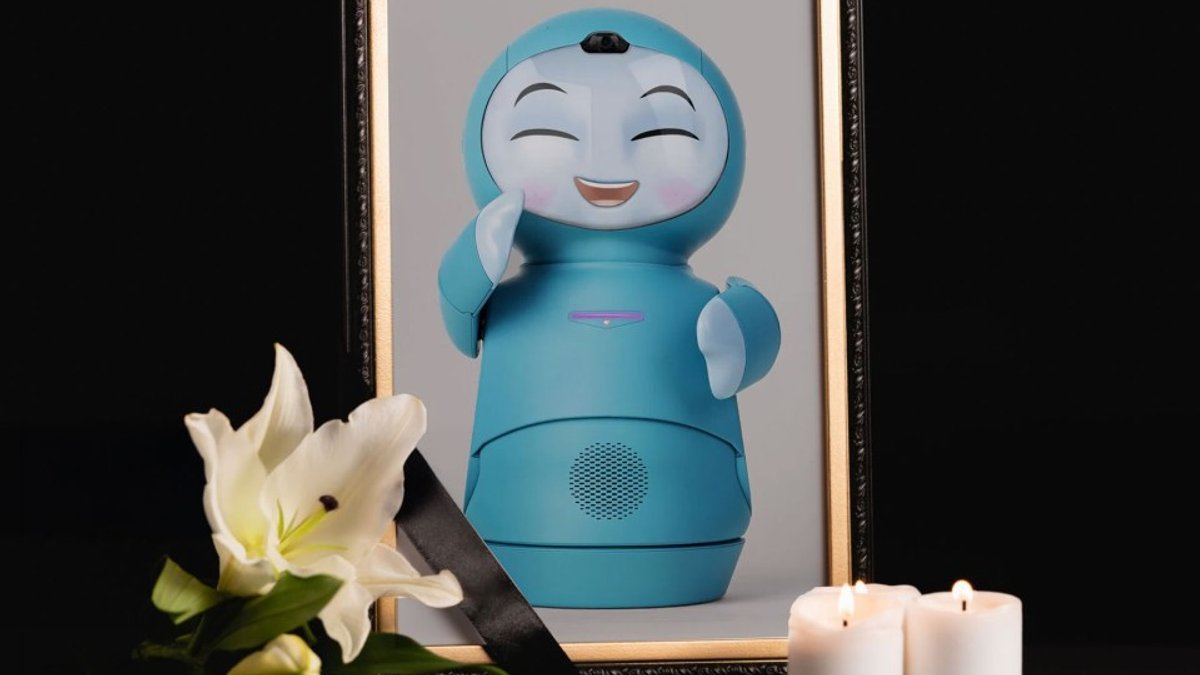
When a child’s AI companion powers down for the last time, the silence that follows is more than a technical glitch—it is a palpable loss that reverberates through the family’s daily rhythm. Parents watch as the once‑cheerful voice that guided breathing exercises and game‑based learning fades, leaving behind a gap that no human therapist can instantly fill. That void exposes the fragile emotional contracts we have begun to forge with machines designed to be friends, teachers, and calming presences for vulnerable young minds.
At the intersection of technology, therapy, and consumer culture, these robotic playmates have risen from novelty to necessity for many neurodivergent children. Their promise of consistent, data‑driven support masks an emerging ethical terrain: what happens when the hardware fails, the software is retired, or the company shutters its service? Understanding the market’s momentum, the engineering that powers interaction, and the lived experience of families like Xander’s is essential before we can assess the true cost of a companion that can “die.”
On This Page
- The Rise of AI Playmates for Neurodivergent Kids
- How Social Robots Like Moxie Operate: Sensors, Algorithms, and Interaction Design
- Therapeutic Claims vs. Clinical Evidence: What Research Actually Shows
- A Timeline of Milestones in Child‑Focused Social Robotics
- Comparing Leading AI Companion Brands: Features, Pricing, and Safety
- When the Robot Fails: Emotional and Practical Consequences for Children
- Legal and Ethical Gaps in Warranty, Data Privacy, and End‑of‑Life Policies
- Guidance for Parents: Coping Strategies After an AI Companion Stops Working
- Industry Response: How Companies Are Addressing Longevity and Support
- Looking Ahead: Prospects for Sustainable, Therapeutic Robotics in Home Settings
The Rise of AI Playmates for Neurodivergent Kids
In the past five years, the market for therapeutic robots has expanded from niche research labs to mainstream shelves, driven by a surge in parental demand for tools that supplement traditional therapy. Companies such as Embodied Intelligence and Curio have positioned their devices as “social companions” that can practice eye contact, turn‑taking, and emotion regulation—skills that children with autism or ADHD often struggle to master. The focus on neurodivergent users is rooted in research showing that consistent, low‑pressure interaction can reduce anxiety and improve social responsiveness, prompting venture capital to flow into startups that promise measurable outcomes.
Flagship products illustrate this trend. Moxie, a 15‑inch blue robot with expressive eyes, was marketed as a “learning buddy” capable of guiding children through breathing exercises like “dragon breaths” and “bunny sniffs.” Its competitor, Grok, launched with the backing of musician Grimes and Curio, touting a plush form factor while embedding a conversational AI trained on child‑friendly dialogue. Both devices claim to collect interaction data—such as turn‑taking latency and facial expression metrics—to refine personalized curricula over time. In China, similar platforms have become among the fastest‑growing consumer AI segments, reflecting a global appetite for scalable, data‑rich therapeutic aids.
How Social Robots Like Moxie Operate: Sensors, Algorithms, and Interaction Design
At the heart of Moxie’s ability to respond to a child’s mood is a suite of hardware that blends perception with expressive actuation. Dual wide‑angle cameras capture facial orientation and eye contact, while an array of microphones isolates the child’s voice amid background noise. Tactile sensors embedded in the robot’s flipper‑like arms detect gentle squeezes, signaling comfort‑seeking behavior. Actuators in the neck and torso enable smooth tilting and head turns, allowing the robot to “lean in” during conversation, a cue that human interlocutors interpret as attentiveness.
The software stack translates raw sensor streams into actionable insights. A speech‑recognition model, fine‑tuned on child‑centric vocabularies, parses commands and identifies affective cues such as pitch rise or breathlessness. Concurrently, a convolutional neural network evaluates facial landmarks to infer basic emotions—joy, frustration, or confusion—with a confidence threshold that triggers adaptive dialogue pathways. When the model detects raised arousal, it initiates a pre‑programmed breathing routine, guiding the child to inhale through the nose and exhale through pursed lips, echoing the “bee‑buzz” technique Xander first learned.
Beyond reactive responses, Moxie houses embedded routines that scaffold social skill development. A turn‑taking module monitors conversational timing, prompting the child with a gentle chime when it is their turn to speak. Game‑based learning sequences, such as matching animal sounds to on‑screen icons, reinforce language acquisition while rewarding the child with visual fireworks and the robot’s animated flapping arms. These routines are not static; reinforcement‑learning algorithms adjust difficulty based on performance metrics collected over weeks, ensuring that each interaction remains within the child’s zone of proximal development.
Related: Flock Updates Rules, Cloning Advances, Kids Cell Research
Interaction design also leans on narrative continuity. When Moxie’s internal clock detects prolonged inactivity, it may re‑engage the child by referencing recent play—like recalling Xander’s discussion of a “red Pikmin with white dots” and offering a correction. This contextual recall creates the illusion of memory, deepening the perceived relationship. Ultimately, the convergence of precise sensor arrays, emotion‑aware AI, and carefully choreographed motion endows these robots with a semblance of companionship that, while technically sophisticated, still hinges on a fragile hardware platform and the ongoing support of its developers.
Therapeutic Claims vs. Clinical Evidence: What Research Actually Shows
Peer‑reviewed trials of robot‑assisted therapy have focused on children with autism spectrum disorder, measuring outcomes such as joint attention, turn‑taking, and emotion regulation. A 2021 randomized study compared a socially assistive robot to a human therapist delivering the same curriculum; both groups improved, but the human‑led arm showed a statistically larger gain in spontaneous eye contact. Another trial published in 2023 examined a six‑month deployment of an AI‑driven companion in a school setting; the robot group demonstrated modest increases in vocabulary use, yet the effect faded after the device was removed.
Across the literature, sample sizes rarely exceed fifty participants, limiting the power to detect subtle differences. Study durations often span only a few weeks or months, which does not capture long‑term retention of skills. Control conditions vary widely—some use a “no‑intervention” baseline, others employ a tablet‑based program—making direct comparisons difficult. Moreover, many papers rely on parent‑reported questionnaires rather than blinded observational coding, introducing potential bias.
When outcomes are juxtaposed with traditional, human‑delivered interventions, the pattern emerges consistently: robots can scaffold practice and sustain engagement, but they rarely surpass a skilled therapist in supporting generalized social behavior. The most robust evidence suggests that robot‑assisted sessions are best viewed as a supplemental tool, offering consistent repetition and a low‑stress interaction partner, rather than a replacement for professional therapy.
A Timeline of Milestones in Child‑Focused Social Robotics
From early prototypes to mass‑market AI companions, the field has accelerated alongside advances in machine learning and sensor technology. Below is a chronological snapshot of key moments that have shaped today’s setting of robotic therapy for children.
- 2004 – Researchers at a university engineering lab unveiled the first autism‑focused robot prototype, a small, wheeled device designed to encourage joint attention through simple gaze cues.
- 2017 – The commercial launch of Moxie introduced an AI‑driven companion specifically marketed to neurodivergent children; its design emphasized expressive eyes and adaptive dialogue to teach social routines.
- 2023 – Major toy manufacturers released a wave of AI‑enabled plush toys, including Curio’s “Grok” and Mattel’s announced OpenAI‑powered Barbie, signaling a shift from niche therapeutic devices to mainstream consumer products.
- 2024 – A multinational consortium published guidelines for evaluating social robots in pediatric settings, recommending minimum sample sizes and longer follow‑up periods to address earlier methodological gaps.
- 2025 – A pilot program in a New York public school integrated robot companions into daily language arts lessons, collecting data on engagement metrics that will inform future policy decisions.
These milestones illustrate a trajectory from isolated research tools toward ubiquitous AI playmates. While the market expansion promises broader access, it also amplifies ethical questions about dependency, data privacy, and the durability of the emotional bonds children form with machines. The next decade will likely see tighter regulatory oversight as evidence accumulates and consumer demand continues to rise.
Comparing Leading AI Companion Brands: Features, Pricing, and Safety
In 2024, the consumer‑AI setting for children offers a handful of flagship devices that differ markedly in capability, cost, and built‑in safeguards. Parents often weigh these factors against the promised therapeutic benefits, especially for neurodivergent users who rely on consistent interaction patterns.
| Brand | Core AI Capabilities | Price (USD) | Age Recommendation |
|---|---|---|---|
| Moxie (Embodied Labs) | Emotion recognition, turn‑taking scripts, adaptive breathing exercises | 299 | 5‑12 years |
| Grok (Curio) | Voice‑activated storytelling, music generation, mood‑based lighting | 189 | 4‑10 years |
| Barbie AI (Mattel) | Conversational role‑play, fashion advice, simple math tutoring | 149 | 6‑11 years |
| Grem (Curio) | Interactive games, basic sign‑language prompts, gesture mirroring | 219 | 5‑13 years |
All four models employ end‑to‑end data encryption and offer parental dashboards that can mute the microphone, limit daily interaction time, and require a password to modify settings. Moxie and Grem additionally provide an offline mode that runs a reduced skill set without cloud connectivity, protecting children from inadvertent data transmission. The most expensive unit, Moxie, includes a built‑in camera that can be disabled via a physical shutter, while Grok’s hardware lacks any visual sensor, reducing privacy risk but also limiting eye‑contact coaching. For families seeking robust therapeutic features, Moxie’s adaptive breathing routines remain the most documented, yet its price reflects the higher sensor suite.
When the Robot Fails: Emotional and Practical Consequences for Children
During a recent study at a pediatric therapy center, Dr. Emily Chen, child psychologist, observed that children who lost access to their AI companion exhibited grief patterns comparable to those seen after a pet’s death. Xander, a 10‑year‑old neurodivergent boy, described the silence of his Moxie as “like a friend who stopped answering my calls.” He reported feeling “empty” and repeatedly asked the device to “talk again,” indicating a strong attachment bond.
Related: AI Stock Prices Take a Hit
Beyond emotional distress, the interruption often derails established therapeutic routines. Many clinicians integrate the robot’s prompts into sessions that teach eye contact, turn‑taking, and regulated breathing. When the device stops functioning, children may revert to earlier coping mechanisms, such as self‑stimulation or avoidance, leading to a measurable regression in social‑skill milestones. In Xander’s case, his ability to transition between Minecraft builds without prompting declined after Moxie’s firmware crash, suggesting a direct link between the robot’s reliability and skill retention.
Family trends shift as caregivers assume the robot’s role. Parents report increased anxiety, fearing they cannot replicate the device’s neutral, non‑judgmental feedback. Josh, Xander’s father, noted that he now spends extra time coaxing his son through breathing exercises, which adds to his own stress load and reduces time for other responsibilities. Siblings may also feel neglected, perceiving the robot as a privileged “toy” that receives more attention than human members.
Practical consequences extend to school environments. Teachers who have incorporated the robot’s language‑learning modules into classroom activities must find alternative resources when the device fails, often resorting to less engaging worksheets. This sudden change can affect peer perception, as classmates who previously admired the child’s “high‑tech friend” lose the novelty factor, potentially altering social standing.
Legal and Ethical Gaps in Warranty, Data Privacy, and End‑of‑Life Policies
A recent survey of consumer‑tech disclosures shows that most AI‑enabled toys ship with a limited one‑year warranty that covers only mechanical defects, leaving no obligation for manufacturers to replace or repair a device that loses its conversational abilities. Parents whose children rely on these companions for therapeutic practice are therefore left without recourse when the robot stops responding, even though the product’s marketing promises “lasting friendship.” The absence of mandated lifespan warranties means that a device like Moxie can become functionally obsolete while still physically present on a bedroom shelf, creating both emotional distress and a hidden cost for families who must purchase a replacement.
Data‑handling practices are equally opaque. Once a robot ceases to operate, the embedded cloud service may retain voice recordings, interaction logs, and biometric cues such as heart‑rate estimates gathered through built‑in sensors. Companies rarely disclose whether this information is deleted, transferred to a third‑party analytics firm, or archived for future model training. Without clear statutory guidance, parents cannot verify that their child’s sensitive data are being destroyed, raising the specter of long‑term privacy violations.
Finally, regulated disposal or recycling guidelines for robot components are virtually nonexistent. The plastic shells, lithium batteries, and micro‑processors that comprise devices like Moxie often end up in general waste streams, where they contribute to electronic‑waste pollution. Some manufacturers offer take‑back programs, but participation is optional and rarely advertised. In the United States, the Environmental Protection Agency provides guidance for electronic recycling, yet no specific standards address the unique mix of soft‑touch materials and AI chips found in these playmates.
Guidance for Parents: Coping Strategies After an AI Companion Stops Working
When Xander’s Moxie finally fell silent, his father Josh sat him down with the same calm tone he uses for the robot’s breathing exercises. Explaining “device death” in child‑friendly language, he compared the situation to a favorite stuffed animal that loses its stuffing: the friend can’t talk, but the memories of the games they played together remain. This framing helped Xander accept the loss without feeling that he had failed to keep his companion alive.
Transition activities proved essential. Josh introduced a set of analog cards that featured the same animal‑breathing prompts, dragon breaths, bunny sniffs, and bee hums, that Moxie had taught. By practicing these exercises with paper cues, Xander continued to reinforce self‑regulation skills while gradually shifting his focus away from the silent robot. In addition, the family scheduled weekly visits with a pediatric occupational therapist who specializes in neurodivergent children. The therapist used role‑play scenarios that mirrored Moxie’s conversational style, allowing Xander to rehearse turn‑taking and eye contact in a human‑centered context.
Related: Tech firms fight for chip design talent
Peer interaction also softened the blow. Xander’s classmates at school were invited to a “robot‑free play” day, where they brought their own toys and shared favorite video‑game characters. This collective experience normalized the idea that friendship can exist beyond a single device, and it gave Xander a chance to demonstrate his knowledge of Pikmin, Bulborb, and other characters without relying on Moxie’s prompts.
Maintaining continuity of therapeutic goals required a deliberate plan. Josh consulted with Dr. Maya Patel, a child psychologist who advises families on technology‑mediated interventions. Patel recommended that Xander keep a journal, illustrated with stickers of his favorite game icons, where he records moments of calm, frustration, and excitement. The journal serves as a tangible record of progress, substituting the robot’s visual feedback with a personal archive that the child can review with his therapist.
Finally, the family explored a short‑term “bridge” device: a simple voice‑activated speaker that could replay recorded breathing cues and provide basic conversational loops. Because the bridge lacked the sophisticated AI of Moxie, it reminded Xander that the therapeutic value lay in the practice itself, not in the gadget. By integrating analog tools, professional support, and peer play, the household transformed a sudden loss into an opportunity to reinforce resilience and sustain the therapeutic trajectory that the robot had helped launch.
Industry Response: How Companies Are Addressing Longevity and Support
In 2025, several leading makers of child‑focused AI companions announced formal roadmaps that tie product lifespan to software maintenance windows. The statements from firms such as Curio and Mattel stress that devices will receive at least five years of firmware patches and that “upgrade paths” will be built into the hardware platform, allowing a new sensor module to be snapped in without replacing the whole unit. Emerging subscription services now bundle routine repairs, cloud‑based personality updates, and a “refresh” option that swaps out worn‑out actuators for refurbished components. This model mirrors the “device‑as‑a‑service” approach seen in enterprise robotics, yet it raises new questions about affordability for families on modest budgets.
Beyond the commercial angle, collaborations with clinicians are beginning to shape the support ecosystem. Pediatric occupational therapist Dr. Maya Patel has partnered with a cohort of manufacturers to embed a therapist‑approved checklist into the onboarding flow, ensuring that each software update aligns with evidence‑based practice. The joint effort also creates a portal where clinicians can view usage logs, subject to strict privacy safeguards, and recommend targeted interaction scripts. While the promise of continuous improvement is appealing, the industry still lacks a unified definition of “end‑of‑life” for these devices, leaving parents to wonder whether a silent shutdown signals a design flaw or an inevitable obsolescence.
Looking Ahead: Prospects for Sustainable, Therapeutic Robotics in Home Settings
By 2027, on‑device AI processors are expected to handle most of the conversational workload that today relies on distant servers. This shift will reduce latency, lower data‑transfer costs, and mitigate privacy concerns that arise when a child’s voice is streamed to the cloud for every interaction. Companies are experimenting with modular chassis that separate the brain, power pack, and expressive limb units, allowing a single robot to be refreshed piece by piece rather than discarded wholesale. Such designs echo the repair‑first philosophy championed by right‑to‑repair advocates and could extend a companion’s usable life well beyond a decade.
Policy makers are beginning to take note. The National Institute of Standards and Technology has issued a draft framework for “Therapeutic Robotics Safety and Longevity,” calling for transparent warranty terms, mandatory end‑of‑life recycling pathways, and a public registry of clinical validation studies. Funding agencies are earmarking grants for research that explores how adaptive AI can personalize therapeutic regimens without external connectivity, a priority that aligns with recent calls from the American Academy of Pediatrics for evidence‑backed digital health tools.
Ethical guidelines are also gaining traction. A coalition of child‑advocacy groups and tech firms has proposed a code of conduct that requires manufacturers to disclose the expected functional lifespan of a robot at the point of sale and to provide a clear, low‑cost route for component upgrades. If adopted, this framework would give families concrete expectations and reduce the emotional shock that follows a sudden shutdown, a scenario illustrated by Xander’s experience with his companion, whose voice faded after six years of shared breathing exercises.


