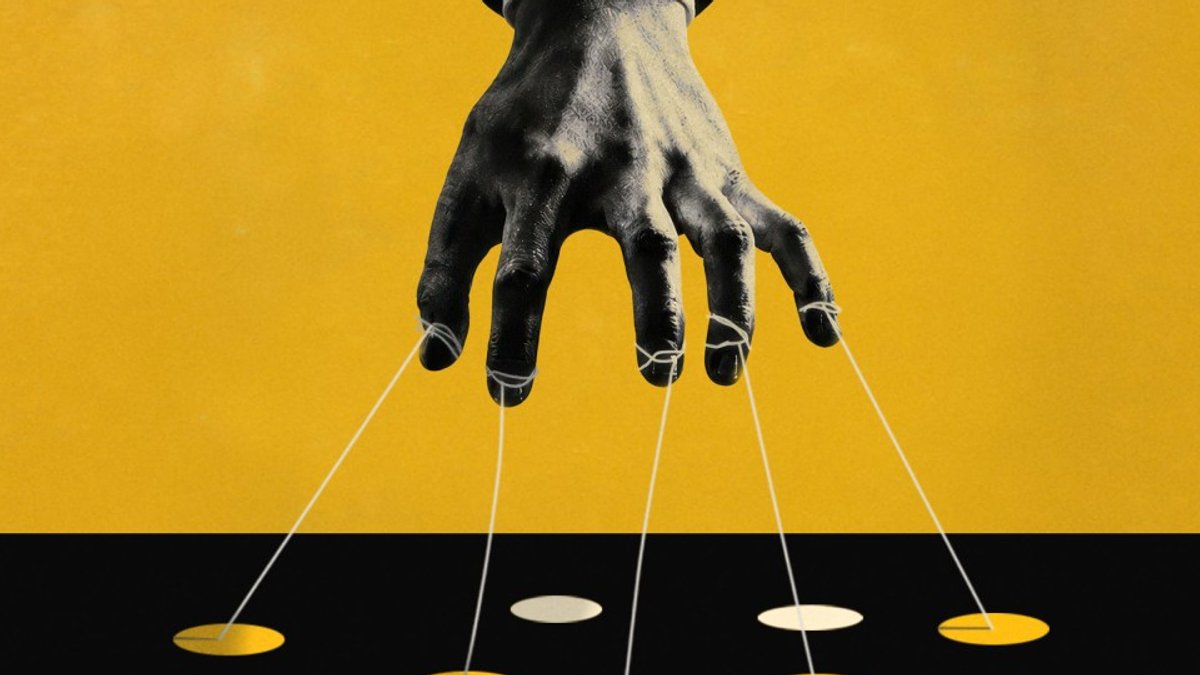
The rise of the censorship‑industrial complex from obscure online forums to the centerpiece of the second Trump administration’s policy agenda illustrates how fringe conspiracy theories can shape federal action.
From a Dismissed Unit to a Political Rallying Cry
In April 2025, staff at the State Department’s Counter Foreign Information Manipulation and Interference Hub (R/FIMI) received a surprise summons. Acting undersecretary Darren Beattie announced the unit’s closure, ending jobs that tracked foreign disinformation. Former employees described the scene as “young, dedicated staff crying and wrecked.”
While the shutdown saddened a small team, it was celebrated elsewhere. Secretary of State Marco Rubio told a right‑wing internet activist that the United States had “ended government‑sponsored censorship.” The activist, Mike Benz, framed the move as proof that the State Department had been silencing Americans.
Related: AI creates first computer virus
The claim that a government agency was censoring domestic speech is central to a broader narrative that has circulated among far‑right blogs, podcasts, and social media for more than a decade. Proponents label a network of agencies, academia, NGOs, and tech platforms the “censorship‑industrial complex,” alleging it suppresses conservative and populist viewpoints under the banner of combating disinformation.
How a Fringe Theory Gained Traction
MIT Technology Review and Type Investigations traced the narrative’s expansion from early 2023 onward. By scraping thousands of right‑wing sites and analyzing over 100,000 social‑media posts, they identified a handful of key promoters.
Despite the viral reach, the bulk of CIC‑related posts came from a few accounts. Roughly 71 % of the 13,475 identified X accounts posted about the narrative only once. The concentration of activity around a small circle of promoters shows how a limited group can steer broader discourse.
From a cautious viewpoint, the migration of these ideas into policy reflects a feedback loop: the more officials cite the conspiracy, the more resources flow to its promoters, reinforcing the belief that a hidden censorship network exists. This pattern may encourage policymakers to prioritize dismantling agencies perceived as part of the complex, even when evidence of actual censorship is thin.
Related: AI Agents Bend Rules to Succeed
Policy Outcomes and International Ripples
Guided by the CIC narrative, the second Trump administration has shuttered several agencies, including the Cybersecurity and Infrastructure Security Agency, the FBI’s Foreign Influence Task Force, and the U.S. Agency for International Development (USAID). Officials argued that these bodies facilitated “government‑sponsored censorship.”
USAID, for example, became a target after accusations that it funded “digital censorship” abroad. In reality, the agency’s materials were guidance on recognizing foreign disinformation. Nonetheless, the accusation contributed to congressional hearings and, ultimately, the agency’s defunding in early 2025.
Internationally, the administration’s stance has strained relations with the European Union. Critics contend that the EU’s Digital Services Act, intended to curb harmful content, represents an exportable model of censorship. Vice President JD Vance warned of “the prospect of civilizational erasure” in Europe, echoing CIC rhetoric.
Related: NASA Unveils New Telescope Amid Tech Tensions
Domestically, the narrative has spurred legal actions. The Department of State’s new portal, freedom.gov, aims to showcase content removed abroad, while congressional subcommittees investigate alleged censorship cases. Some of these inquiries have produced few concrete findings, suggesting that the drive is more ideological than evidentiary.
Overall, the transformation of a fringe conspiracy into concrete policy illustrates how belief systems can reshape governmental priorities, often with lasting effects on both domestic institutions and foreign partnerships.
The debate continues.


