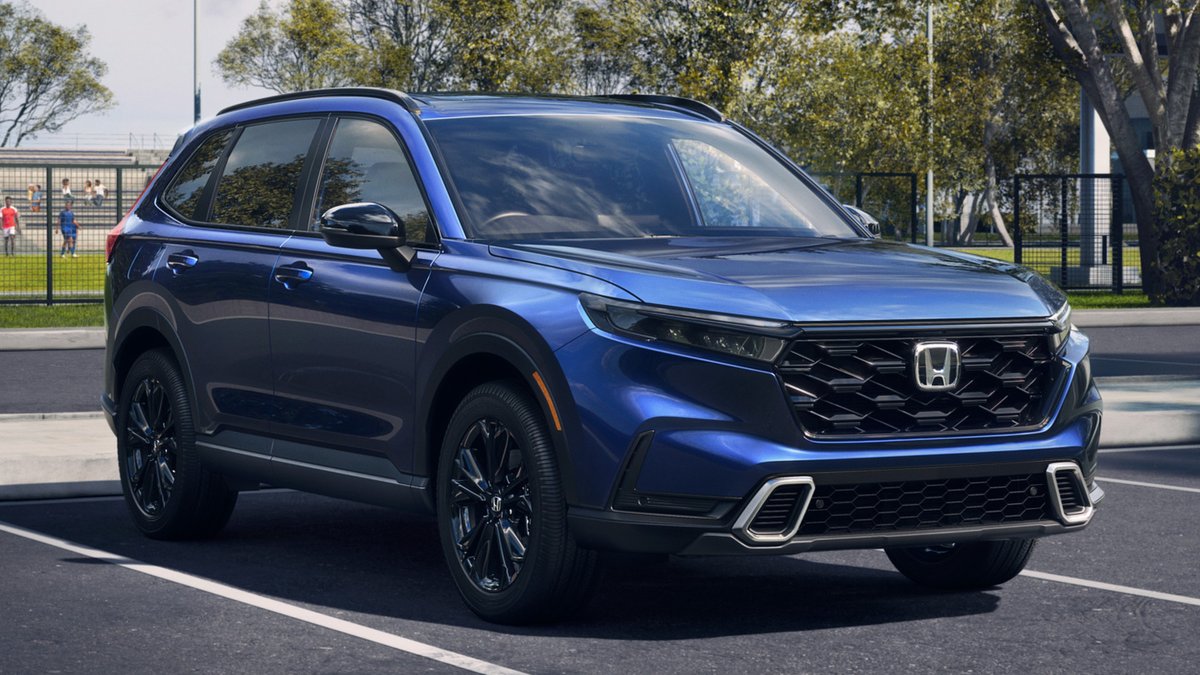
Japanese automaker Honda has announced a new recall affecting a limited number of Accord and CR-V vehicles due to an unresolved issue with their tire repair kits. The problem stems from a previous recall in June 2026, which initially addressed the same defect across 1,049,883 vehicles by instructing dealers to replace faulty components. Unfortunately, some owners received replacement parts that were themselves defective, leaving the original safety concern unresolved.
The core issue lies with the sealant bottle in the temporary tire repair system, which relies on compressed air to seal punctures. When the nozzle fails to properly attach to the tire valve, internal pressure can accumulate within the bottle. In worst-case scenarios, this pressure buildup may cause the bottle’s cap to detach violently, posing a risk of injury to the user. National Highway Traffic Safety Administration (NHTSA) investigations revealed the problem originated from design flaws that didn’t adequately account for pressure accumulation, compounded by improperly calibrated relief valves.
Read Also: Toyota’s GR Sport RAV4 blends utility and sportiness
Tire Repair Kit Issue
By May 28, 2026, Honda had documented 53 warranty claims related to the defect and received eight injury reports, though no fatalities were confirmed. The manufacturer’s October 14 statement clarified that this second recall encompasses 2,745 CR-V Hybrid models and 2,058 Accord Hybrid vehicles spanning the 2023 through 2026 model years, along with a single 2025 CR-V fuel-cell vehicle. The root cause stems from Honda’s supplier, Tek Corporation, which inadvertently shipped flawed replacement parts during the initial recall campaign.
Supplier Error
Following the first recall, Honda had implemented an improved nozzle design, but Tek Corporation neglected to properly separate the old and new components during production. Weak quality control measures at Tek’s warehouse allowed defective parts to be mistakenly included in the replacement shipments sent to Honda. The error went unnoticed until July 3, when a dealership received incorrect replacement parts. After conducting an inventory audit, Honda identified all affected vehicles in September and initiated the second recall on October 1. As of that date, no additional warranty claims or injury reports connected to this mix-up had been reported.
Honda dealers will now examine each affected vehicle’s tire repair kit and, when necessary, install the updated nozzle design that eliminates the problematic one-way valve feature, at no cost to owners. Vehicle owners can verify if their specific model is included by entering their vehicle identification number (VIN) through either the NHTSA’s recall database or Honda’s official recall information portal.
Read Also: Binance Restores Withdrawals After $6 Billion Hack
This latest recall represents just one of several significant safety campaigns Honda has conducted in 2026. By October 16, the company had issued 14 separate U.S. safety recalls affecting approximately 3.1 million vehicles, including models from its Acura luxury division and motorcycle lineup. Among the most extensive was a June recall targeting about 960,000 Acura and Honda vehicles due to potential corrosion in rear subframes from road salt exposure, which could lead to suspension system failures. Affected models included older versions of the Pilot SUV, Passport crossover, Ridgeline pickup, and Acura MDX.
Additionally, Honda recalled approximately 440,000 Odyssey minivans in April after discovering that side airbags might deploy unexpectedly following minor impacts such as striking potholes or road debris. Then in July, another recall was issued for 325,588 Odysseys after water damage was found to corrupt the rearview camera circuitry, causing the displays to become inoperable. Both Odyssey recalls represent follow-up actions after initial campaigns failed to completely resolve the original safety concerns.


