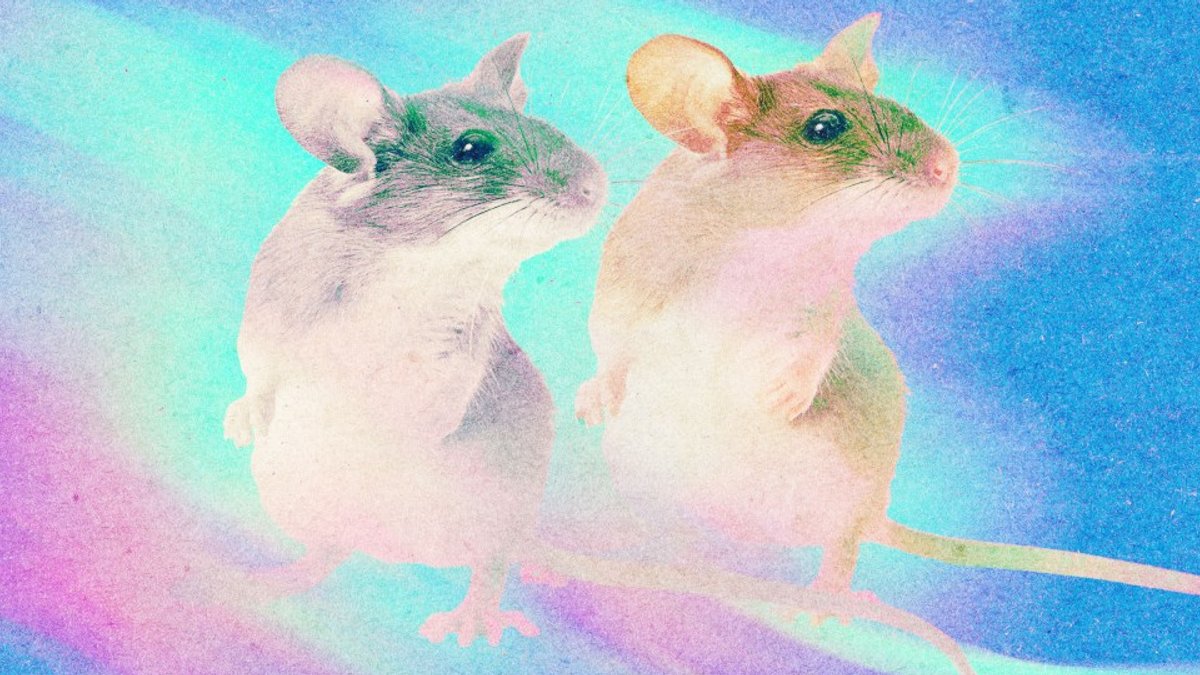
Cloning could be used to save species—or make human “organ sacks,” a technology that blurs the line between medical necessity and ethical horror. Researchers at the Riken BioResource Research Center, including Shogo Matoba, believe the process might help conservation efforts, particularly when only a few individuals of a species remain. While the application for endangered wildlife appears more straightforward, the method’s potential for human use raises difficult questions about what it means to create life.
The technique used to create Dolly the sheep in 1996 remains largely the same. Scientists remove the nucleus from an egg cell and replace it with the DNA from an adult cell. The resulting embryo is then transferred to a surrogate mother. This process allows for the creation of genetic replicas, offering a way to replicate animals with specific traits or resurrect those that have been lost.
Related: Children share views on AI as scientists clone male mice
This approach isn’t just theoretical. It is commercially available for pets. For a price in the tens of thousands of dollars, companies can preserve cells from a deceased animal and use them to create a living clone. The technique has been used to replicate the pets of celebrities, though the process requires egg cells from another animal and a surrogate, raising questions about the ethics of the procedure. One bioethicist has described this aspect of the industry as “the exploitation of the canine underclass,” noting that there is no medical or environmental need for these procedures.
Preserved tissues play a key role in these operations. Facilities like the San Diego Zoo maintain “frozen zoos” containing cells from over 1,300 species. These samples, often taken decades ago, have enabled scientists to clone animals considered close to extinction, including black-footed ferrets and Przewalski’s horse. The technology has even been used to attempt the resurrection of extinct species. In 2009, researchers in Spain cloned an extinct wild goat, the Pyrenean ibex, using skin cells cryopreserved a decade earlier. They created 439 embryos, resulting in one female kid. She died minutes after birth due to lung defects, making her the only known animal to have gone extinct twice.
Related: Xbox Down Again, Physical Games Also Affected
Commercial biotech companies are now exploring the use of old genetic material to bring back long-extinct species like the thylacine and woolly mammoth. Colossal Biosciences has focused on modifying the genomes of modern-day animals rather than relying solely on ancient samples. The company’s efforts represent a shift from simple cloning to complex genetic engineering, aiming to recreate species that have not walked the earth for millennia.
Technically, cloning humans is also possible. To date, no one has performed the procedure, though the concept has been explored. One startup founder has pitched a specific scenario involving “brainless clones”—human clones lacking a brain but containing all the organs needed for potential replacement. The idea was outlined by a colleague, who noted that the description required a pause during a lunch break. This proposal highlights the unsettling potential of the technology when applied beyond conservation or agriculture, moving from saving life to engineering parts.


