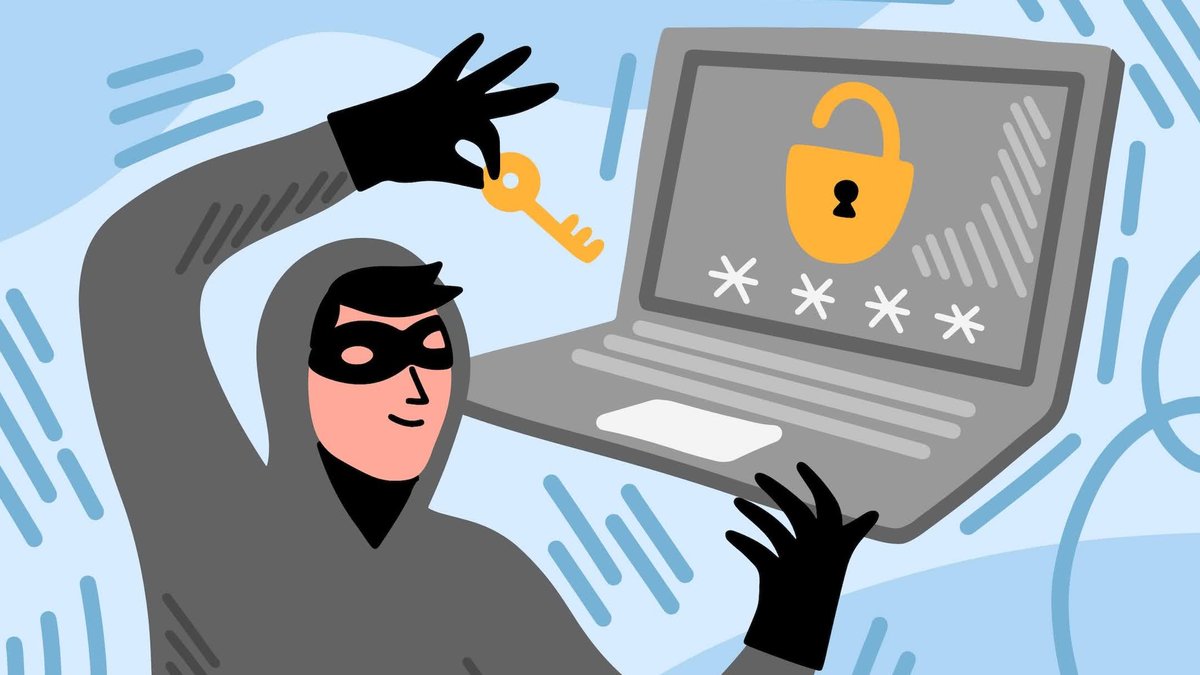
1Password has confirmed a data breach after a hacker compromised an employee’s GitHub account, allowing them to steal customer names and email addresses from the company’s backend systems. The stolen data does not include passwords or anything stored in customer vaults.
The breach occurred when the attacker used the hijacked account to browse the company’s source code and insert malicious instructions designed to collect customer data. The change was subtle and did not require breaking anything, with one compromised developer login enough to put it into production.
Details of the Breach
Beyond names and email addresses, the stolen data included public keys and account and user identifiers used internally by 1Password. Public keys are designed to be shared, so exposing them does not hand over access to anything. The identifiers could still help someone build a more believable lure or match records to a particular customer.
The leaked data also included tokens from certain emailed invitation links and account recovery links, which are key to the account enrollment and recovery process. However, according to the company, an attacker would also need to pair a token with a single sign-on method or with a six-digit numeric code sent to the user’s email.
Response to the Breach
1Password has disabled the affected GitHub account and rotated the internal credentials that the breach compromised. The company has also added a new detection system to spot similar attacks and has lengthened the numeric codes sent to users’ emails from six digits to 10 alphanumeric characters, making guessing impractical.
The company warns that fake emails, texts, or phone calls may reference invitations or account recovery attempts, and advises customers to treat any unexpected message mentioning 1Password with suspicion and go straight to the official app or site rather than following a link. 1Password says it will never ask customers for their account password or Secret Key, and that those should be entered only into the official 1Password app or website.
Security Implications
1Password’s new detection system points toward the last of those, but whether that is enough will depend on the details the company hasn’t yet shared. For now, customers should remain vigilant and cautious when receiving messages that appear to be from 1Password, and verify the authenticity of any requests before taking action.
1Password’s customers can take steps to protect themselves from potential phishing attacks by being cautious when receiving emails or messages that appear to be from the company. By taking these precautions, customers can help to protect themselves from potential security threats.


