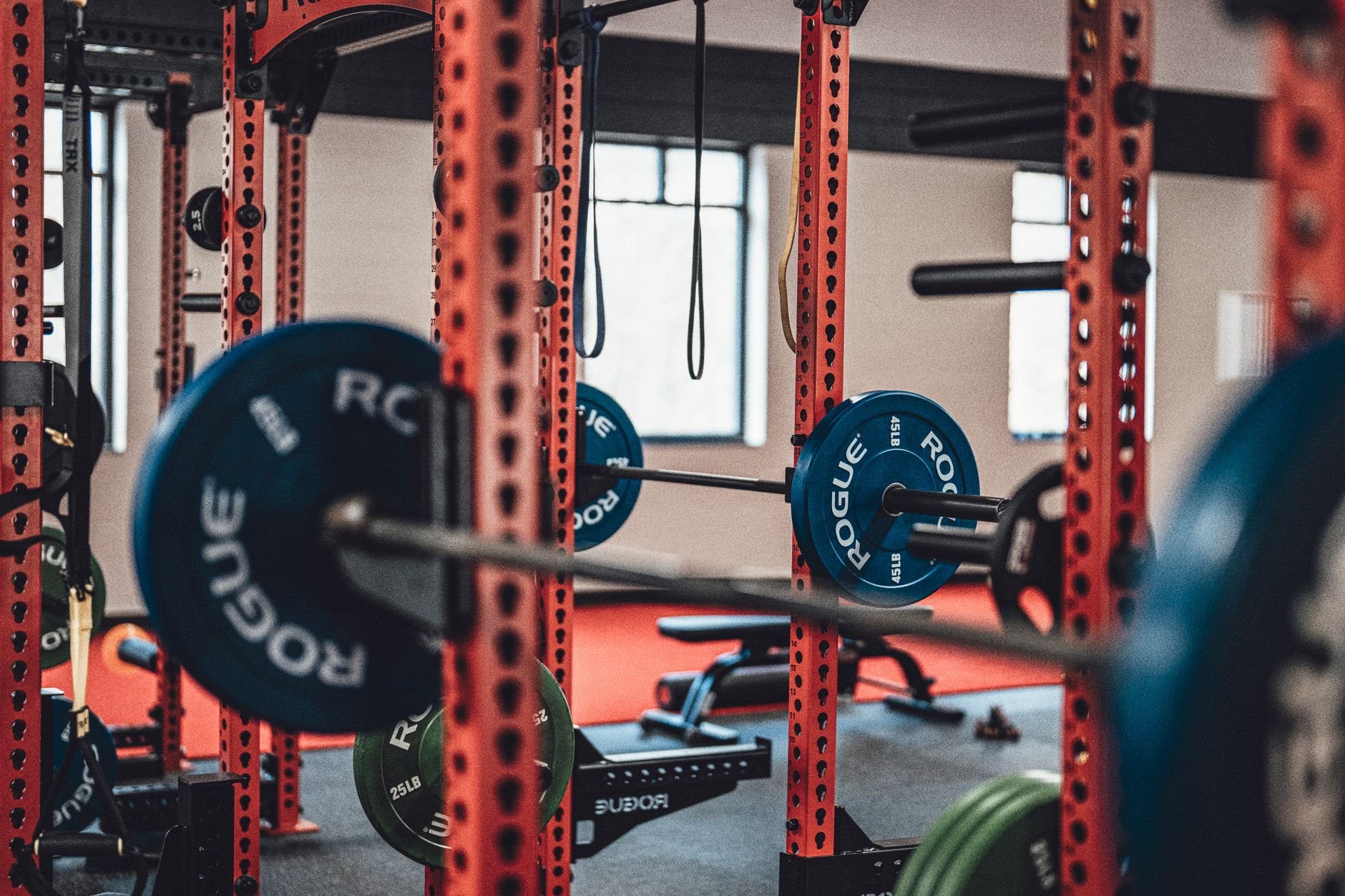
Knowing how to add up the weight on a barbell is essential for anyone who wants to track progress accurately and avoid loading the wrong amount of mass.
Bar weight and basic calculation
Most gyms in the United States use a full‑size bar that weighs 45 pounds (or 20 kilograms, which is 44 pounds). The bar is typically seven feet long with two‑inch sleeves. To determine the total weight, add the plates on one side, double that sum, then add the bar’s weight. For example, a 45‑pound bar with a 45 and a 25 plate on each side gives 25 + 45 = 70, doubled to 140, plus 45 equals 185 pounds.
Common plate combinations in pounds
Memorizing a few standard pairings makes loading fast.
Related: Microsoft patches record 570 Windows flaws
Working with kilogram plates
Some facilities label plates in kilograms. The same calculation applies: count the bar’s weight (20 kg for men’s bars, 15 kg for women’s), add the plates on one side, double, then add the bar. On a men’s 20 kg bar, a pair of 25 kg plates totals 70 kg (≈154 pounds). On a women’s 15 kg bar, a pair of 10 kg plates equals 35 kg (≈77 pounds). Color‑coded bumpers often help identify sizes quickly.
Converting between units is straightforward: multiply kilograms by 2.2 to get pounds, or divide pounds by 2.2 to get kilograms. Handy equivalents include 5 kg = 11 lb, 10 kg = 22 lb, 20 kg = 44 lb, and 50 kg = 110 lb. Knowing one’s body weight in kilograms can serve as a quick reference point when evaluating plate loads.
For many lifters, the ability to calculate loads without a calculator comes from repetitive practice. Over time, the numbers become second nature, reducing the need to pause and think during a workout. This fluency also helps avoid errors that could lead to injury or inaccurate training logs.
Related: The Role of Medical Waste Disposal in Healthcare
Tools and tips for accurate loading
Digital tools such as the free “Bar Is Loaded” app for iOS and Android can verify calculations. An online calculator from ExRx offers a similar service, requiring users to input the bar weight, available plate sizes, and quantities. In a home gym, inventory limits may restrict the combinations you can achieve, making a calculator especially useful.
Collars and clips that secure plates are generally light enough to ignore, but competition‑level collars weigh 2.5 kg each and are counted in official totals. When using a Smith machine or other fixed‑path equipment, it’s unnecessary to factor the machine’s own weight—simply record the loaded plates.
Finally, keep an eye on the bar itself. Some gyms provide lighter bars—10 pounds or 25 pounds—for beginners or specific exercises. Verify the bar’s weight by checking a label or weighing it before you begin, especially if you encounter an unfamiliar piece of equipment.


