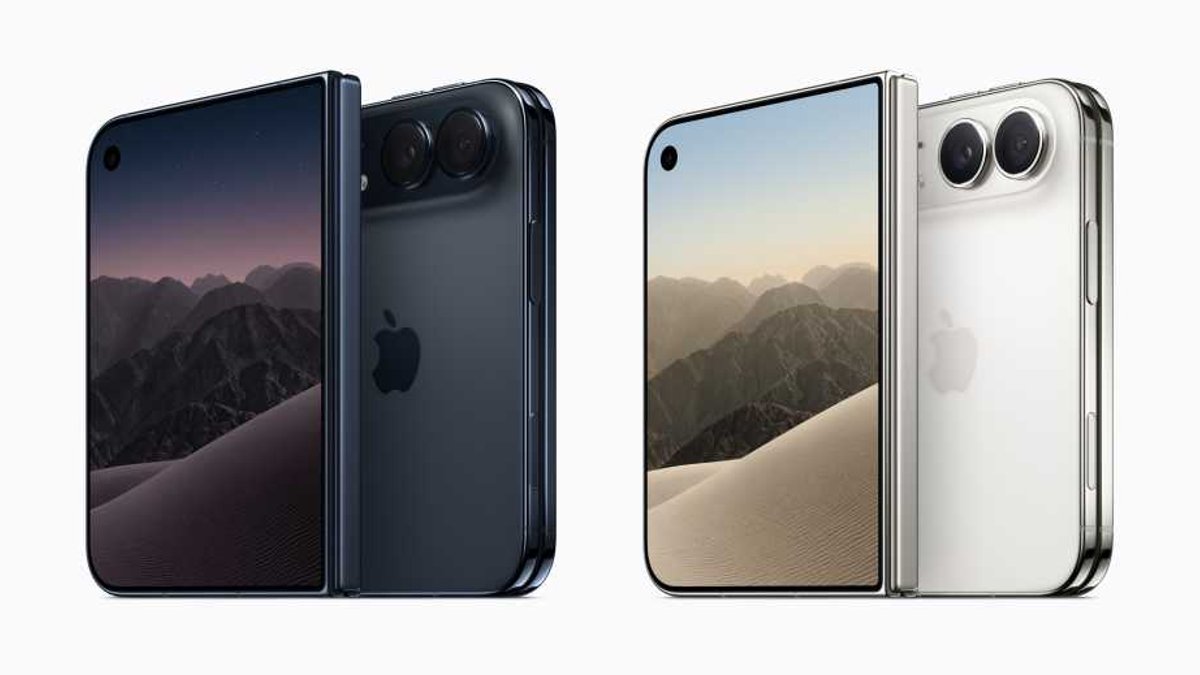
Apple’s latest iPhone lineup isn’t just another incremental upgrade—it’s a redefinition of what the device does. Twenty-five years after Steve Jobs pitched the Mac as a central digital hub, the iPhone has become the intelligent personal hub, the single point where AI, apps, and daily life converge. That was the core message from Apple CEO John Ternus at Wednesday’s launch, where he framed the iPhone as the linchpin of a smarter, more connected future.
“AI makes entirely new kinds of experiences possible,” Ternus said. “An AI can become even more useful when it brings together your life with the apps, services, and products you use every day. And this means the product at the center of your experiences becomes even more essential—what I like to think of as an intelligent personal hub.”
What that means in practice is an iPhone that doesn’t just handle calls and messages, but orchestrates work, creativity, and even logistics through AI. Siri now processes files and folders via voice commands, while contextual AI sifts through years of personal data to suggest actions, whether it’s organizing a lunch meeting or generating a report. The device isn’t just a tool; it’s a digital assistant that understands your habits, preferences, and workflows.
Folding iPhones enter the premium race
This shift isn’t just about software. Apple’s hardware investments, like the iPhone Duo, a folding phone priced starting at $1,999—show the company’s bet on premium design meeting productivity needs. The Duo’s 2TB storage option ($3,199) competes directly with Samsung’s Galaxy Z Fold 8 Ultra, but Apple’s engineering edge shows in details like IP68 water resistance (vs. Samsung’s IP48), allowing the iPhone to survive deeper submersion. For now, the Duo is a niche product, aimed at executives, creatives, and professionals who need a larger display in a pocketable form, but its arrival signals Apple’s intent to dominate the foldable market.
The real test, though, isn’t just the hardware. It’s whether Apple can turn the iPhone into an unavoidable productivity hub, one that apps and services can’t ignore. The company points to Siri AI integration as a key differentiator, though it does not specify how many apps currently support it. The iPhone’s most powerful mobile processor ensures these AI tasks run smoothly, whether you’re dictating an email or letting the device auto-organize a complex schedule.
Related Post: iOS 27 Hints at Apple’s First Foldable iPhone
This isn’t just about replacing the iPad. It’s about making the iPhone the primary device for work, not just communication. The Duo’s larger screen in a phone form factor expands possibilities, but even the standard iPhones are getting smarter. Contextual AI doesn’t just react to commands; it anticipates needs based on your usage patterns. Need a ride? The iPhone might suggest Uber before you ask. Working on a project? It could pull up relevant files from iCloud before you open an app.
Apple’s ecosystem bet hinges on adoption
The iPhone Duo’s pricing reflects Apple’s strategy: premium positioning to set the standard for the segment. Starting at $1,999, it’s more expensive than Samsung’s entry-level foldable but matches the Fold 8 Ultra in features. The question is whether the Duo will find enough buyers beyond early adopters. Early signs suggest it will, but the long-term impact on iPad sales remains unclear.
One thing is certain: Apple isn’t just selling phones anymore. It’s selling a digital ecosystem, one where the iPhone sits at the center of everything, from communication to creativity to AI-driven automation. The company’s bet is that people won’t just carry an iPhone; they’ll rely on it to manage their lives. Whether that vision holds depends on whether developers and users buy in.
The iPhone Duo won’t be for everyone. But for the professionals, creatives, and power users who need more screen real estate and processing power, it’s a glimpse of the future, one where the phone isn’t just a device, but the hub of your digital world.


