Federal prosecutors in Atlanta have charged a local man after his phone erased its data during an airport search. They argue the privacy-focused operating system he used was meant to destroy evidence.
The case against Sam Tunick centers on his use of GrapheneOS, an open-source system for Google Pixel phones that lets users enter a passcode to wipe a device clean. Prosecutors claim Tunick activated the wipe to obstruct an investigation, a charge his defense calls unconstitutional.
Airport encounter sparks legal battle
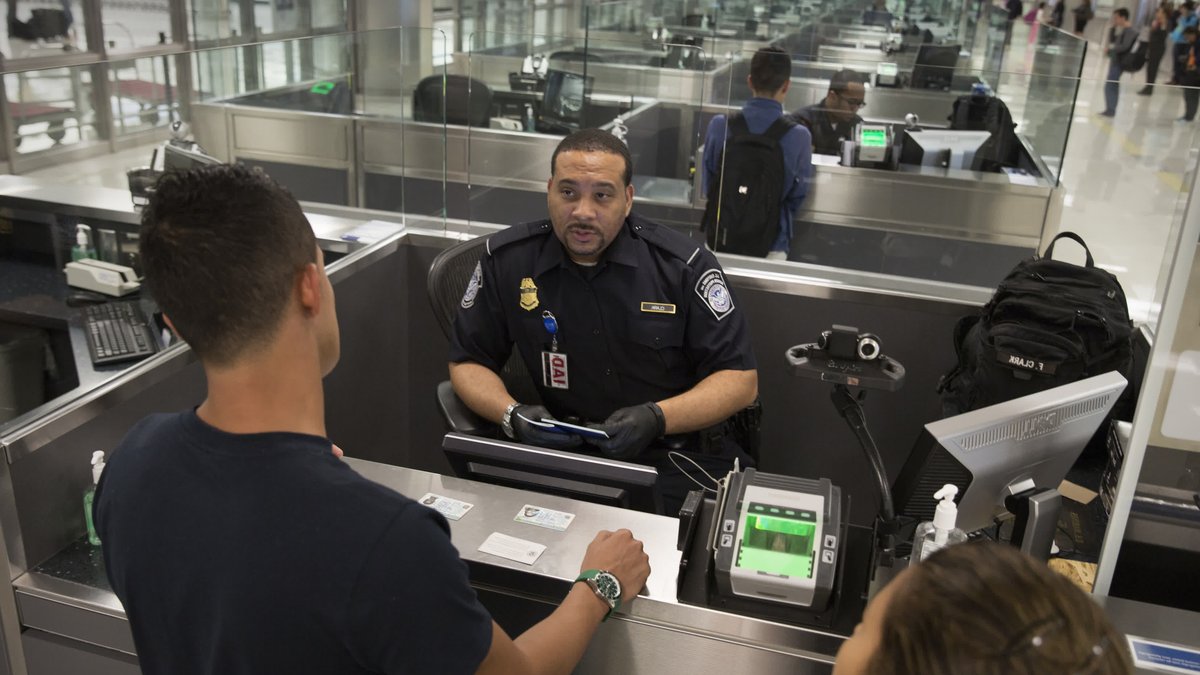
The incident occurred on January 24, 2023, when Tunick landed at Hartsfield-Jackson Atlanta International Airport after traveling from the Dominican Republic. Agents had flagged him over suspected ties to protests against Cop City, a $109 million police training facility in Atlanta.
He was taken to a secondary screening room and questioned for hours. His defense states the interrogation focused on child sexual abuse material as a cover to probe his political activities. Court documents show he requested a lawyer four times but was denied each time. Agents never presented a warrant or read him his rights.
Related: AMD Unveils Epyc Roadmap Through 2030
When agents demanded he unlock his phone, they warned they would seize it if he refused. After he provided a passcode, the device appeared to restart. The defense motion describes the screen going blank, flashing, and rebooting—erasing all data in the process.
Prosecutors treat the wipe as intentional evidence destruction. The defense argues the search violated Tunick’s rights and seeks to exclude the evidence. A ruling on the motion is not expected until late October.
GrapheneOS at the center of controversy
GrapheneOS is designed to improve privacy and security on Pixel phones. Supporters say the wipe feature is a standard security measure, not proof of guilt. Christophe Boutry, a cybersecurity expert, called the prosecution’s stance troubling, noting it suggests the operating system is inherently suspicious.
Experts said the legal approach is unusual. Bill Buddington, a senior technologist at the Electronic Frontier Foundation, said he had not encountered another case where the law was applied this way. Boutry added that European authorities have also viewed GrapheneOS with skepticism, including in Spain, where police have flagged Pixel users as potential suspects.
Related: Barbell Weight Made Easy to Calculate
The dispute highlights broader conflicts over digital privacy and law enforcement access. While airports grant authorities expanded search powers, the boundaries remain unclear. Tunick’s defense claims agents overstepped, while prosecutors insist the encounter followed standard procedure.
The case is tied to ongoing opposition to Cop City, which has faced opposition over concerns about police militarization and environmental impacts.
Prosecutors and the defense disagree on whether the wipe was obstruction or a normal security function.


