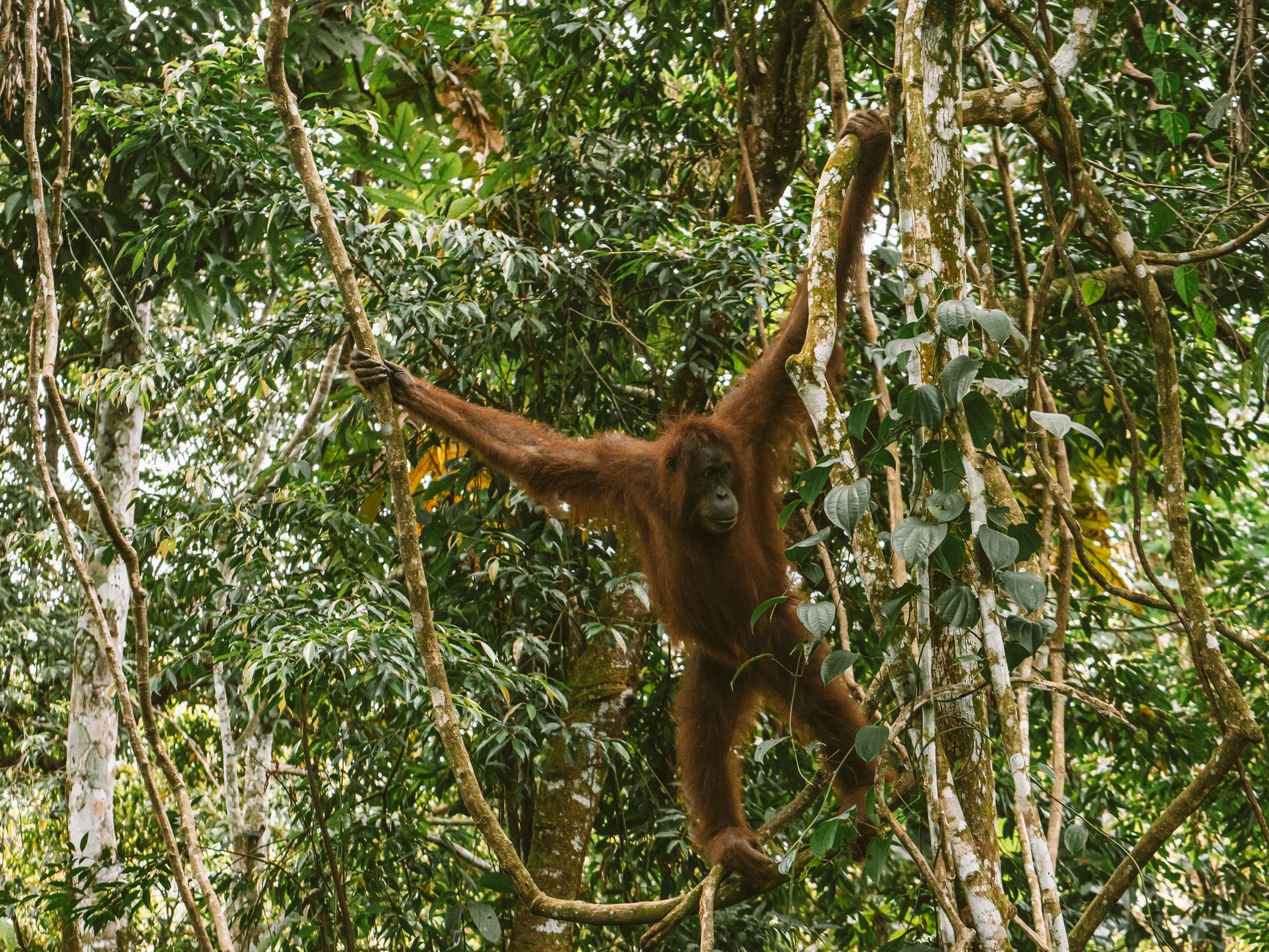
Borneo remains an exceptional destination for travellers wanting a profound connection with nature. Split between Malaysia, Indonesia, and Brunei, this vast island offers varied landscapes ranging from ancient rainforests to expansive coral reefs. Rather than a standard beach break, holidays to Borneo present opportunities to experience environments that support some of the most varied ecosystems on the planet. If you want to understand tropical ecology firsthand, this region provides an outstanding educational and recreational setting.
Why Choose Borneo for Your Next Holiday?
Deciding on a holiday destination requires balancing rest with engaging activities. Borneo satisfies both requirements through its diverse geography. You can spend days observing endangered species in their native habitats, then transition to recovering on pristine coastlines. The region caters equally well to active explorers and individuals wanting quiet reflection. Because the tourism infrastructure is relatively well-developed in the Malaysian states of Sabah and Sarawak, visitors can access remote areas without sacrificing basic comforts.
Discovering Borneo’s Wildlife
The island’s biodiversity is a primary draw for most visitors. Here, you can observe orangutans swinging through the forest canopy at the Sepilok Rehabilitation Centre or along the Kinabatangan River. Proboscis monkeys, pygmy elephants, and hornbills also populate these dense jungles. Rather than observing these animals in enclosures, you get to experience them interacting in their natural environment. Conservation efforts are highly active here, meaning your visits often contribute directly to funding the protection of these vulnerable species and their habitats.
Borneo’s Cultural Richness
Beyond the flora and fauna, the human history of this island is deeply fascinating. Indigenous groups, such as the Iban and Kadazan-Dusun, have maintained their traditions for generations. Visiting a traditional longhouse allows you to observe communal living structures and learn about historical practices, including intricate weaving and traditional farming techniques. Engaging directly with local communities provides a clearer understanding of how human settlements have adapted to thrive within such dense tropical environments over centuries. Sharing a meal of bamboo-cooked rice and locally foraged vegetables offers a wonderful opportunity to connect with your hosts and appreciate their daily reliance on the forest.
Adventure Activities in Borneo
If you want physical challenges, this destination provides plenty of demanding environments. Climbing Mount Kinabalu requires significant stamina, but reaching the summit at sunrise offers an extraordinary perspective of the surrounding topography. For water-based activities, Sipadan Island features steep underwater drop-offs that attract divers from across the globe to swim alongside sea turtles and reef sharks. Trekking through the Danum Valley offers another method to test your endurance while examining primary dipterocarp forests up close.
Planning Your Borneo Trip
Organising your itinerary requires careful attention to weather patterns. The dry season, generally spanning from March to October, offers the best conditions for jungle trekking and wildlife observation. You must arrange permits well in advance if you intend to climb Mount Kinabalu or dive at Sipadan, as daily visitor numbers are strictly capped to protect these fragile environments. Packing lightweight, breathable clothing and reliable walking boots will make your daily excursions significantly more comfortable. Additionally, consult a travel clinic regarding recommended vaccinations and anti-malarial medication well before your departure date. Taking these health precautions guarantees you can focus entirely on your surroundings.
Your Unforgettable Borneo Experience
A trip to this Southeast Asian island leaves a lasting impression. From the dense jungle canopies to the deep marine trenches, every aspect of the environment encourages a deeper appreciation for the natural world. By approaching your travel plans thoughtfully and respecting local customs and conservation guidelines, you help preserve this remarkable habitat. Start researching your specific areas of interest now, and prepare to experience one of the most ecologically significant regions on Earth.


