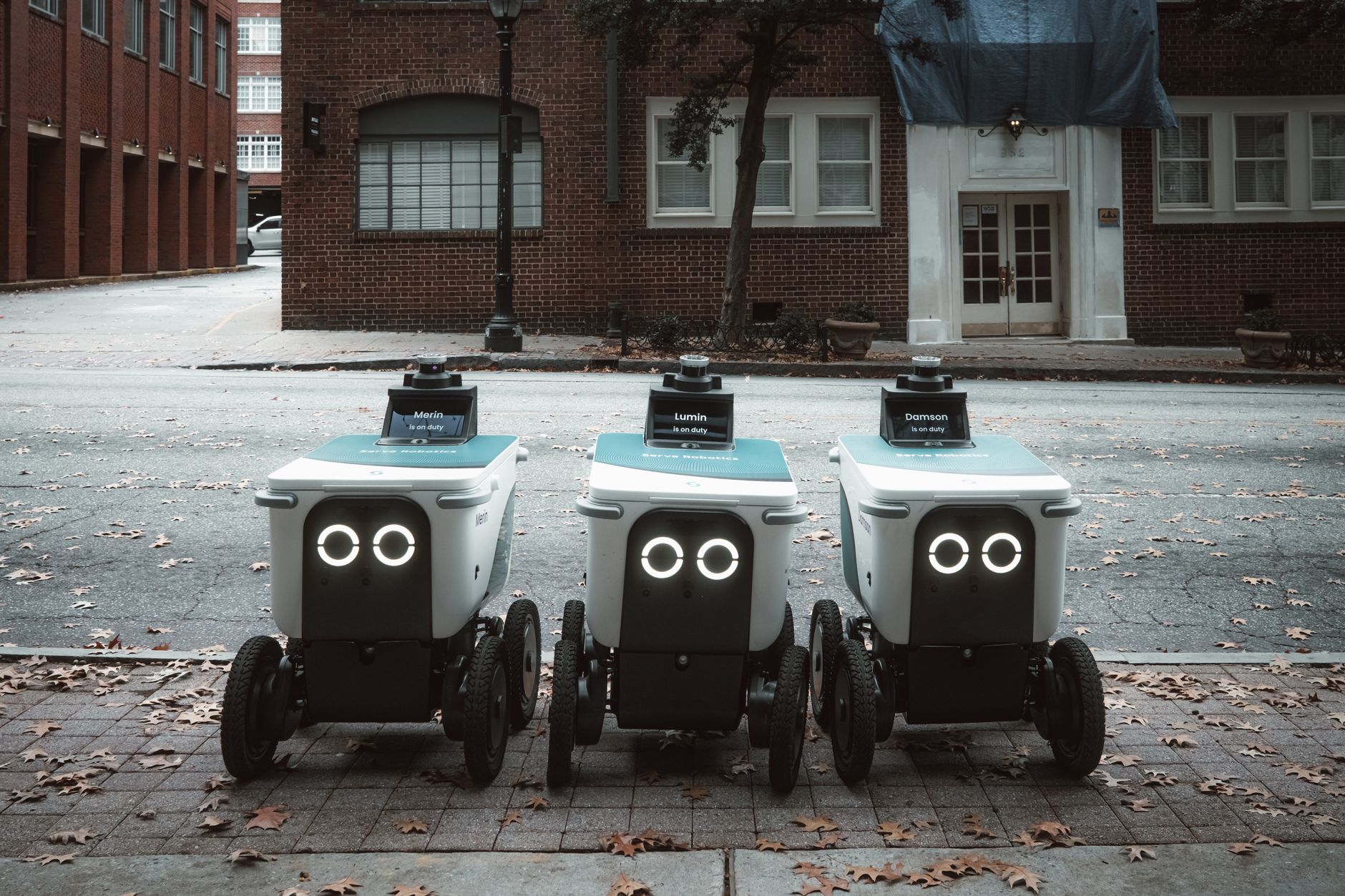
Trump’s administration is expanding its protection of the artificial intelligence industry beyond current labs to include the emerging robotics sector. This shift became clear last week when the Federal Trade Commission issued a sweeping ban on the import of advanced foreign robots, including humanoids, quadrupeds, and wheeled models. The restriction applies to imports of robots that use advanced artificial intelligence and computer vision. While the move follows a pattern of protectionist trade policies, it marks a significant expansion of the government’s role in the AI market. Officials argue that shielding domestic companies from foreign competition helps the industry grow, but critics say it limits access to cutting-edge technology.
The FTC’s decision is likely to reshape the robotics market. Companies that rely on foreign-made humanoid robots for research and development may face supply chain disruptions. This could slow the deployment of these machines in workplaces and homes, where they are currently more common in viral videos than in practical use.
Privacy concerns over DNA collection
Separate from the tech sector, immigration and customs enforcement officials have collected nearly one million people’s DNA last year. The vast majority of these individuals had no prior criminal convictions. The program allows authorities to build a massive genetic database, but it raises significant privacy and civil liberties questions.
Data shows that automated license plate readers can have shockingly high error rates. In one California town, the system misread license plates in 71 percent of the alerts it sent to police. This highlights the potential for false positives in surveillance technologies, which are increasingly used by law enforcement agencies across the country.
Technology is reshaping how people handle daily life, from the way they date to how they raise children. As these systems become more integrated into society, individuals must consider how much control they retain over their personal information.
Related: Trump Targets Robotics with New Restrictions
Reports from the White House indicate that the administration is taking a hardline stance against foreign competition in the automated sector. The FTC’s directive specifically targets models that utilize advanced artificial intelligence and computer vision. By restricting the flow of these machines, the government aims to shield domestic manufacturers from foreign rivals. Critics, however, argue that such protectionism could stifle innovation by limiting access to the latest global advancements.
Experts suggest that the ban will create immediate challenges for research laboratories. Many of these facilities rely on imported hardware to conduct experiments and test new algorithms. A disruption in this supply chain could delay critical projects and slow the overall pace of progress in the field. The implications extend beyond the laboratory, potentially affecting the broader adoption of robotics in various industries.
Separate from the tech sector, immigration and customs enforcement officials have collected nearly one million people’s DNA last year. The vast majority of these individuals had no prior criminal convictions. The program allows authorities to build a massive genetic database, but it raises significant privacy and civil liberties questions.
Data shows that automated license plate readers can have shockingly high error rates. In one California town, the system misread license plates in 71 percent of the alerts it sent to police. This highlights the potential for false positives in surveillance technologies, which are increasingly used by law enforcement agencies across the country.
Technology is reshaping how people handle daily life, from the way they date to how they raise children. As these systems become more integrated into society, individuals must consider how much control they retain over their personal information.


